The U is Silent; We Aren’t – S2,Ep.1
THE HARD WORK OF HARD HISTORY: INSIDE A PRESIDENTIAL LIBRARY
Why museums might be our best hope for civil dialogue.
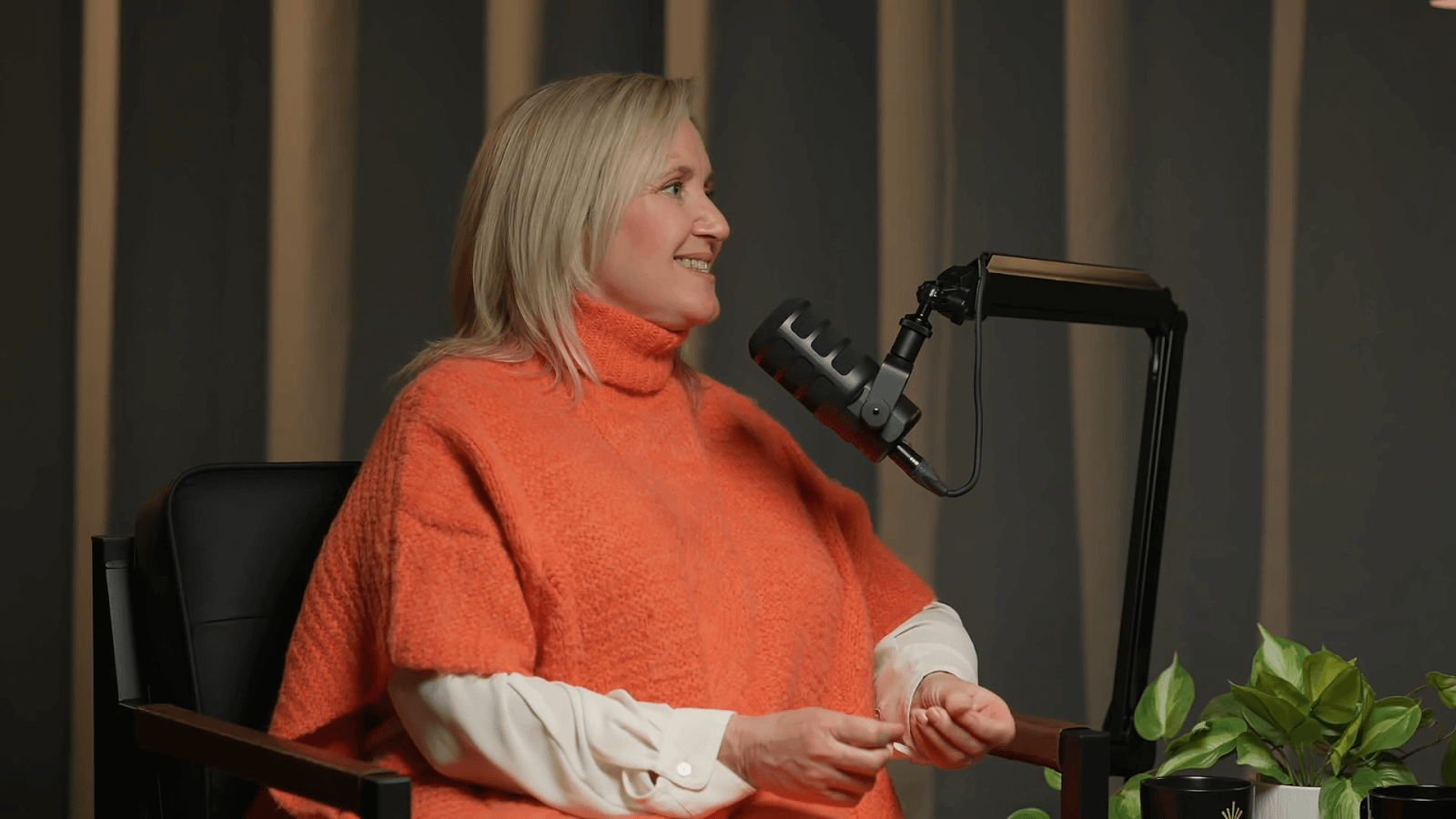
In this episode, Samantha sits down with Robin Von Seldeneck, President & CEO of the Woodrow Wilson Presidential Library and Museum in Staunton, Virginia. They trace Robin’s journey from a childhood on a dairy farm and early love of gardening to leading one of the region’s most important civic institutions. Robin shares how museums are evolving from object‑focused “shrines” into trusted public spaces for difficult conversations—especially around Woodrow Wilson’s deeply complicated legacy on race, power, and democracy. Together, they explore what it means for a small city to steward a U.S. president’s story while inviting visitors to ask “why” and form their own conclusions.
About This Podcast
The U may be silent, but Staunton has a lot to say. Join Visit Staunton as we sit down with inspiring individuals at the top of their craft. We’re chatting about what drives their passion, the actions behind the impact, and a little about the place where they’re making it all happen.
SUBSCRIBE NOW!
The U is Silent; We Aren’t is available wherever you listen to podcasts. Click the links below to subscribe and listen in to audio only. If you like what you hear, don’t forget to subscribe, give this video a like, and tell your friends.
TRANSCRIPT
0:09
Welcome back everybody to the U Silent We Aren’t podcast season two. We are so excited to rejoin you guys and first
0:18
shout out to everybody that has supported this podcast. We kind of did this as um as a a pilot project last year and the stories were so great um
0:27
and so impactful. But what I’m also so happy with is how everybody um has responded to it and shared it and asked
0:35
for more. And so we’ve listened and we’re back. So we have an entire new season lined up of so many incredible
0:42
voices and people. And on that I am so excited for this first episode. Um really an anchor of our community, such
0:50
an incredible mind and then also just so such a lovely soul and person to talk to. Everybody, please welcome the CEO
0:58
and president of the Woodrow Wilson Presidential Library, Robin Von Seldeneck.
1:03
Hey Samantha, thank you so much for having me. This is so exciting for coming in.
1:09
I’m going to totally pivot where we were going to start out at because I would love to know. Do you classify yourself as a yapper?
1:18
Yes, unfortunately I am too. I talk a whole lot.
1:21
Yeah, it just took 15 minutes to be able to get started. But right before we start talking about plants and gardenings and I am striving to be more
1:29
of a plant person. Getting there. Not there yet. You are. You started your first garden at four years old. I did. I did.
1:37
I thought you were joking at first and now um absolutely not. I grew up on a dairy farm and we had a huge farm and my
1:44
grandfather had both grandparents had huge um gardens and I love playing in the soil. I love to smell the soil. So
1:53
my first was it was was easy. It was it was beans, but yeah, it was like green beans or some kind.
2:00
So did you guys get to go through the whole process of sitting on the porch and stringing and snapping beans? Yes. I write a passage.
2:06
I remember a time in my life where that just sounded horrible, but now it is so cathartic and almost meditative where
2:14
you can just sit there and be at one with what you’re doing and it really kind of grounds you. Yep. So that’s why I love to garden now and deal with my
2:22
plants cuz I I feel grounded to the earth.
2:25
Your family calls you a plant lady. Is that right? To a certain degree. Yes. Unfortunately, you can wear a badge of honor.
2:32
I do. I’m very proud of my plants and I love propagating my um house plants and it’s just fun. It’s fun to to get your
2:39
hands in the soil and get dirty and and and also have time to think. Yes. That’s when I use it. Where did you grow up at?
2:47
Near Lewisburg, West Virginia. Greenberg County. Yes.
2:50
Okay. So, I am so excited to hear a little bit more about your your journey,
2:57
your work now, everything that’s led up to it, and also there’s so many exciting things coming up. Um, so I I mentioned earlier, of course, you are president
3:05
CEO of the Woodrow Wilson Presidential Library, a museum here in Staunton, one of our most trafficked attractions and
3:12
such an anchor of our community and um just such a credible institution. But I would love to kind of twofold. I would
3:19
love to hear a little bit more about your history and what has led you up to this point of your career. And then I
3:26
would also love if you would take the time to also answer, we’re going to talk a lot about the the presidential library and its history and impact. But I’m sure you get this question a lot
3:35
also of like what exactly is a presidential library? Because I think sometimes people are surprised.
3:41
I’m sure you’ve gotten the question of where’s the library? Where’s the book?
3:45
So if you could also in this process answer that. Sure. Sure. Tell us a little bit more.
3:50
Okay. So uh I actually came to Staunton to go to Mary what was then Mary Baldwin College and I had a double major in
3:58
history and political science. And um along the way I had extra time to take some um classes of things that interested me. And so I took museum
4:06
studies never in a million years thinking that that’s what I would end up doing with my career. Um, and then after graduation, I pivoted and really um
4:15
focused on student affairs. I worked on my master’s um degree and I worked in student affairs um at both the higher ed and K through2 levels. And along the way
4:24
started teaching a little bit um really um focusing on history and really
4:31
connecting students with the why. And that’s what kind of drives me is connecting people not just that things
4:40
happened but why did they happen and so that’s a little bit about my background. Um and what is a presidential library and we do get asked
4:49
that all the time and especially when we look here in Staunton is how this organization started as a birthplace. It
4:57
was the birthplace foundation. It was founded in 1938. So we’ve been welcoming visitors since 1938 to Staunton. incredible.
5:05
Um it was it opened with a dedication by um President FDR uh Franklin Delanor Roosevelt was here. He opened it he
5:14
opened it as a new shrine of freedom is how he explained what this would be.
5:19
And we have evolved quite a bit since that time. And so we no longer see ourselves as a shrine by any means, but
5:27
we’re a place of education where we can grapple with um sometimes some really difficult subjects. Um but along the way
5:36
um the u museum came about in 1990. The organization had owned um the land where
5:44
or the house where the museum is and that had been a dream for several years.
5:48
So the museum was up and running and then along the way there was a real interest in um the um archives and
5:57
primarily the archives but also the books and what does that tell us about not just Woodrow Wilson but the time period. So we have expanded and what I
6:06
often like to say is the presidential library is an umbrella term where within that we have three distinct um areas. We have a historic home.
6:16
We have a museum and we have an archives and library.
6:20
And so we’re all all working under the mission of talking about the life and times of President Woodrow Wilson who happened to be born here in Staunton.
6:30
Yeah. I I love that you said the life and times and that’s something we’re going to touch on a little bit more. Um but there’s so many interesting aspects
6:38
of the campus. one, when you say birthplace, it’s literally the room you can walk into and and and go into the space. Um, of course, their home place.
6:46
And then also, extra fun fact is uh a very unique piece of furniture in the library portion. Is Elizabeth Taylor the fainting chair?
6:56
Yes, but it has been moved. Oh, no.
6:58
It’s no longer in the library. It’s It’s outside my office.
7:02
Oh, indeed. So, there’s Can you tell about Absolutely. Yes. So when um Senator John
7:10
Warner was campaigning for his first time um and running for state um for US
7:16
Senate, he was with his new wife um the actress Elizabeth Taylor.
7:22
So they were visiting the birthplace. He was campaigning and she started to feel faint and so they took her off to the
7:30
side and put her on the sofa where she could rest. And so it has its own fun little history that we say this is the
7:38
Elizabeth Taylor sofa, but we did start to worry about it a little bit because it was in a public space and so we are preserving that. Yes.
7:46
That’s amazing. Yes. Fun story.
7:48
For your own personal journey, I know you said you studied museum history and leadership when or or I guess what made you take that pivot from education into Yes.
7:59
museum administration? In some ways it was an accidental turn.
8:02
Um, I had taken a few years off um to raise my children and um I they were in
8:11
preschool starting elementary and I wanted to get back into the field and so there was an opportunity to um help administer a teaching American history
8:19
grant um that was um housed at the Woodrow Wilson Presidential Library and that was um a department of of education
8:27
grant that was just for history at the time and that it’s um it was a wonderful program for us to be able to work with
8:35
teachers in giving them the experience that they needed in this pivotal time in history.
8:42
So I was working for a whopping 10 hours a week um and never in a million years thought that I would get so entrenched
8:50
and so involved and so passionate about the organization. Um and also during that time I had the wonderful opportunity of working with a wonderful
8:59
man by the name of Don Wilson. He had retired to Staunton. He had been the US archivist of the United States appointed under
9:06
Ronald Reagan and he had worked on several different presidential um sites.
9:12
So I was able to really learn a lot from him as well. And so that’s kind of how I got there. Um and I worked for um about
9:22
seven years under him as chief of staff and then um administrative officer. So I was doing more of the administration
9:29
Piece but also trying to get in there doing some of the educational pieces as well. Um, because that’s something that I really, it is in my
9:37
it’s in my blood. Um, the education piece is really to me what what we’re all about.
9:43
Yeah. Do you feel like your experience first and and you worked a number of years at different stages of of education system, public, private,
9:51
do you feel like having that background first has impacted how you currently have leadership in the museum space or if it
10:00
would be do you anticipate that it would have been different if you just went straight into the museum field? You know, that’s a great question. Um,
10:07
the museum world has changed so tremendously in the last 15 or 20 years.
10:13
And if I were to be honest, I don’t know if I would have enjoyed the museum world when I first graduated from college. And
10:21
a lot of that has to do with how we what what is our mission and how we work. Um in 1990,
10:30
for example, uh when our museum first opened, it was all about the object. The curator writes the exhibit label. You
10:38
come and you were told this is what this is. This is how it was used. And it was not something where um you really interacted with that, right? It was all
10:47
about that object. Now it I I I’m I’m so excited to be part of a generation of people where we’re saying, “Is this the
10:55
best use of what we’re doing? Let’s meet people where they are. Let’s look at what that person who’s coming in might
11:04
see through that object. What is the bigger story that’s connected with that?” So with public history um it
11:11
allows us to connect that object and the history behind it with the people who are looking at it. So the focus becomes
11:18
on the person otherwise the object sometimes in some ways is almost becomes mythological about the object and it’s less about what we learn from that.
11:29
Yeah. I feel like you guys really do and and you specifically and your team there um really do a really fine job of not
11:39
telling people of this is exactly what happens. And what I mean by that is yes,
11:44
there are so many markers in history that you can say here’s what happened, but what we know is there’s ripple effects in every direction and it’s not only one lane.
11:53
And um I know we’ve shared this like I I remember going on field trips to different museums and spaces and I I feel like when I was younger, yes, there
12:00
was a time where you would go into a museum setting and it was very much of you were told like this is how you should feel about it or or this is what
12:08
happened period versus now I think there’s this beautiful transition happening. Um that it’s this is something that happened in
12:17
history and here are several different outcomes from it. you interpret how you what you what you relate to, what makes
12:25
you uncomfortable, what you have questions about, and it’s not so 1 plus 1 equals 2. That’s right. That’s right.
12:33
And that’s a really important piece of what we do.
12:37
Um, I think that it’s really important that we look at and and I do want to say everything that we do is based. It’s
12:44
evidence-based. We use primary source materials that that guide us in every decision that we make, whether it’s a program or how we interpret something,
12:54
but we do allow space for people to grapple with with with what it is we’re
13:02
presenting. Um, and I think that’s really an important piece of it all because we need to have those multiple perspectives.
13:14
And I think we also, you know, I I I say this a lot and our staff actually probably roll their eyes whenever I say
13:21
it is I always talk about why are we doing what we do?
13:25
I ask why all the time. I was that child. Why do we do this? Why do we do this? Um but it makes such a difference.
13:32
So when you ask that question, why does this matter?
13:36
What would have happened if another uh outcome had come about?
13:44
what the why impacts everything we do. And I want people to walk away thinking about
13:52
that. It used to be when you would go to museums and and and and sometimes it still happens and it’s okay to go to a museum and just enjoy it and it almost feels like an entertainment value.
14:01
Sure.
14:02
Um there are parts of our museum that are entertaining. Um there are parts of our museum that people absolutely
14:11
love the car. I mean, everyone loves the car. It’s such a great ambassador,
14:15
but there are also things in there that are a little more difficult. And um that’s really important for us to say and to own to own that space. Yeah,
14:25
let’s talk about that because um you have definitely I I feel like in the team has led the museum through uh a
14:35
very transformative period and creating more interactiveness but also scrutiny in certain degrees. And um I think a lot
14:43
of that lands on you you take a very strong standpoint of we need to tell a fuller picture of the reality of our 28th president and not only the president but that time as well.
14:56
What is what is telling an honest and full scope picture?
15:03
One, why did you guys make the decision to do that? And what does it look like in practice? Mhm. Mhm.
15:10
Well, I think if we don’t do that, we are put setting ourselves up for a
15:17
failure in sharing the full history of who we are. Um, as human beings,
15:25
as a country, as a city, as a state, in all different levels,
15:30
we have to really think about the different perspectives.
15:34
And one of the things I think that is really important for me and I think everyone on our team is that we come
15:41
about this we try to knowing we don’t know all the answers.
15:47
We need to ask we need to reach out and we need to listen. Um,
15:54
I know and understand that real harm was done because of our 28th president’s
16:01
stance on race, segregation.
16:07
And we are not doing anyone any favors if we shy away from that.
16:12
Um, we try to talk about that as honestly as we can. um knowing that
16:19
sometimes still new new um new information comes out that then we continue to share. History is not one of those things where okay this happened,
16:29
we put it in a box, we pull it out and we read it. We’re continuing to find information all of the time. We grapple with things there. There’s so many
16:38
issues. For example, you know, when we look at Wilson and race, for example,
16:43
um we know that he was born in a house that had enslaved laborers. A lot of people don’t realize that. We tell that
16:52
story now. That was something that we really didn’t spend a lot of time with.
16:55
We were almost not sure how we should handle that in a lot of ways. and and um what we ended up doing is talking to scholars,
17:06
African-American um history scholars,
17:09
and saying, “Okay, help us shape an experience. What What do people need to know?” And we were really for a while
17:16
held up on the fact that we didn’t know the names of the NC. They weren’t documented.
17:21
17 minutes, 21 seconds
They were not. That’s right. They were rented by the Presbyterian Church for the benefit of the family. We don’t know their names. we don’t know where they
17:29
17 minutes, 29 seconds
lived and that in itself tells us a whole lot. So for a long time we were kind of wondering well how do we tell the story if we don’t even know the name
17:37
17 minutes, 37 seconds
but then and of itself that does tell the story.
17:40
17 minutes, 40 seconds
Um and so people talk a great deal about Wilson segregating the federal government and that is a very important
17:48
17 minutes, 48 seconds
story. Many middleclass African-Americans lost their jobs or were treated less than. Um, and one of
17:57
17 minutes, 57 seconds
the things that we we are um wanting to make sure people understand is what’s the implication of that and why and um
18:06
18 minutes, 6 seconds
something people often don’t think about, but there’s a there’s a theory on why that would happen for many reasons.
18:11
18 minutes, 11 seconds
one, his avowed racism, but also throughout our history, from ancient
18:20
18 minutes, 20 seconds
history to today, people have been treated in some ways, groups of people, whether it’s based on gender, sex,
18:26
18 minutes, 26 seconds
religion, have been treated as pawns in the political world.
18:32
18 minutes, 32 seconds
Right. Woodrow Wilson knew that if he needed to pass this huge progressive legislation,
18:40
18 minutes, 40 seconds
um, he had to have the support of the Southern Democrats. And so what do you
18:47
18 minutes, 47 seconds
do? You make these deals. I call them the deal with the devil. Um, so we do talk about that a lot. It,
18:55
18 minutes, 55 seconds
like I say, it’s a very difficult piece.
18:58
18 minutes, 58 seconds
We also do talk about though the new world order and that the world we live in today is a world Woodrow Wilson made. Sure.
19:06
19 minutes, 6 seconds
For better or for worse. Yeah. So,
19:08
19 minutes, 8 seconds
yeah. I mean, besides, I mean, the the Federal Reserve, the League of Legends.
19:13
19 minutes, 13 seconds
Exactly. So, we we do talk about that a lot. I know when I first started there,
19:17
19 minutes, 17 seconds
no one ever wanted to talk about the Federal Reserve, for example. Now,
19:20
19 minutes, 20 seconds
everybody wants to talk about the Federal Reserve because it’s in the news so much. Yeah.
19:24
19 minutes, 24 seconds
So, so much of what we see in the news goes right back to this time period. Yeah. So,
19:31
19 minutes, 31 seconds
you know, I I Wilson is such a consequential but also controversial and and sometimes I think
19:38
19 minutes, 38 seconds
the word complicated is maybe a little too small of a way to to package it all because so many
19:47
19 minutes, 47 seconds
lives on every side of things were impacted. M um but but we’ll we’ll say complicated for this. From your standpoint, I am
19:55
19 minutes, 55 seconds
curious because there’s so many heavy topics, right? Um and topics that have to be explored and and you guys
20:03
20 minutes, 3 seconds
have the heavy responsibility. I I and I agree and I think you guys do take that as a responsibility to to tell to research to understand yourselves
20:12
20 minutes, 12 seconds
um to share. But for you, how do you how do you balance that of of such a complicated figure?
20:22
20 minutes, 22 seconds
Mhm. professionally and personally. Yeah.
20:26
20 minutes, 26 seconds
If that makes sense of of asking of how you balance that.
20:28
20 minutes, 28 seconds
It does. It really does because I have personal convictions and um
20:37
20 minutes, 37 seconds
those do weigh but I I have the professional responsibility of
20:44
20 minutes, 44 seconds
making sure that there’s no bias in how I share information or how we share that information. Um, ultimately one of the
20:52
20 minutes, 52 seconds
things I love about history in some ways I love the people and what we can learn
21:00
21 minutes
from them because I think there is so much that we can apply to our own lives.
21:06
21 minutes, 6 seconds
And it saddens me that we have for some reason become a a society where a person
21:14
21 minutes, 14 seconds
is either or. You’re either good or you’re bad. And that’s not fair to any
21:21
21 minutes, 21 seconds
of us because none of us are one or the other.
21:25
21 minutes, 25 seconds
We’re both and. And so regardless of whomever the historical figure may be,
21:33
21 minutes, 33 seconds
you’re going to find that there are some really positive things that that person did, but also some horribly negative things. You know, I look at, you know,
21:43
21 minutes, 43 seconds
my favorite um president is Abraham Lincoln,
21:46
21 minutes, 46 seconds
and he saved our country. You know, he saved the Union, but he had a very complicated history with Native Americans
21:54
21 minutes, 54 seconds
and um a very paternalistic view. A lot of their lands were sold during that time. So,
22:02
22 minutes, 2 seconds
I I I think that’s an important piece to us, too, is to understand why. And I and and it’s not lost on me that the next
22:11
22 minutes, 11 seconds
generation or maybe two generations from now is going to be judging us. I just don’t know what it’s going to be on yet.
22:17
22 minutes, 17 seconds
Um but I think that is a really human experience and to me that resonates. Humanity is always quite confusing,
22:25
22 minutes, 25 seconds
isn’t it?
22:26
22 minutes, 26 seconds
It is. It is. If only we had the answers,
22:29
22 minutes, 29 seconds
right? Wouldn’t that just make life It would easier, but probably not better, but easier. Yeah. On that
22:37
22 minutes, 37 seconds
side of things, I am um I would love to hear your thoughts. So, I I know you’ve shared that museums are certainly
22:44
22 minutes, 44 seconds
essential civic institutions and and I agree. What role what role do you think museums should help play in navigating
22:52
22 minutes, 52 seconds
present- day challenges on that? You know, that’s a really um that’s a great question because that is something
22:59
22 minutes, 59 seconds
that’s really important to us and I have said many times, we want to be a site where people come together, feel
23:07
23 minutes, 7 seconds
comfortable, and feel that it is a safe space to have difficult conversations.
23:14
23 minutes, 14 seconds
Um, I think people aren’t really sure how they’re supposed to share their
23:20
23 minutes, 20 seconds
ideas or have a meaningful debate that’s civil. And I would love to see, you know,
23:27
23 minutes, 27 seconds
museums across the country are becoming those safe spaces where we can have meaningful conversation for people who want to better
23:35
23 minutes, 35 seconds
our country and our world and and humanity. Mhm.
23:40
23 minutes, 40 seconds
And I think that is a really important job that museums need to take ownership of.
23:46
23 minutes, 46 seconds
Um the the most recent survey and there are surveys for everything, but one of the most recent surveys is what is the most in trusted institution in the United States, it’s museums.
23:58
23 minutes, 58 seconds
And so I I think about that all the time. And that really weighs on me because I want us to be um to make sure
24:07
24 minutes, 7 seconds
that we’re fair and that we are a welcoming place for all people and for all um differences of opinions.
24:17
24 minutes, 17 seconds
That’s really key. And I think that also shows that change in the museum world and in the experience of the last 25 years where it used to be you went to
24:26
24 minutes, 26 seconds
museums and it was almost like going into a classroom and you had an instructor who told you you need to know ABC.
24:33
24 minutes, 33 seconds
That’s not what we do now. Yeah. Yeah.
24:35
24 minutes, 35 seconds
Yeah. I love I know you guys have hosted um I’ve really enjoyed them um at times like lunchtime um oh what was the exact title?
24:44
24 minutes, 44 seconds
Lunch and learns.
24:45
24 minutes, 45 seconds
Yes, lunch and learns. And it was so great because there was a you know there’s a topic that’s that’s presented and discussed and there’s a moderator but it really
24:53
24 minutes, 53 seconds
it it’s so wonderful because depending how whether it be 20 or 30 or however many people are able to get there’s there’s a really healthy discussion that
25:02
25 minutes, 2 seconds
that comes from it and in some ways debate and and it’s it’s one it’s a nice break from what you’re in but there’s so
25:09
25 minutes, 9 seconds
many different backgrounds that come in together of um what they’re experts in or knowledge in or interest in and and
25:17
25 minutes, 17 seconds
and I remember leaving the first one I went to and being like, “Wow, that was pretty amazing.” At like noon,
25:23
25 minutes, 23 seconds
I can sit down and um be a part of, but also a witness to to a community debate and then we could still walk out
25:31
25 minutes, 31 seconds
together and say, “Have a great day or do you want to go grab some coffee real quick?” And um it was really it was it was quite Yeah. amazing.
25:39
25 minutes, 39 seconds
Well, thank you for saying that. We really need that. We need those experiences. I think sometimes with social media where we be we go to our tribes
25:48
25 minutes, 48 seconds
and um people are afraid to reach out and really have conversations that can make a difference. Yeah.
25:54
25 minutes, 54 seconds
From a tourism standpoint, um I I say this lovingly. Um Staunton is
26:01
26 minutes, 1 second
the strangest little city and I say it with such love and it’s so wonderful. I mean I could go on a list but one of the things I share is that it’s it’s so
26:10
26 minutes, 10 seconds
amazing. a city of, you know, 25 26,000 people. We are home to both 30,000
26:18
26 minutes, 18 seconds
wizards in September every year with our festival and then also a 28th president of the United States. And it’s like, wow, we’re a community with both.
26:26
26 minutes, 26 seconds
But for from your standpoint, what do you think it means for a small city like Staunton to to steward the legacy of a US president? Mhm. Mhm.
26:38
26 minutes, 38 seconds
Well, first of all, if you think about how few presidents we have had,
26:44
26 minutes, 44 seconds
I mean, there’s not a lot, right? Um, 45 actually. And, um,
26:51
26 minutes, 51 seconds
we have such an opportunity here as our city. Regardless of what you think of
26:58
26 minutes, 58 seconds
Woodrow Wilson, the man, it allows us that opportunity to know from here came someone who became
27:06
27 minutes, 6 seconds
president. And I’m even going to argue he changed the world in a lot of ways during his time period. He was the most
27:14
27 minutes, 14 seconds
powerful person in the world and he came from Staunton, Virginia, right? And I think that gives some sort of um
27:22
27 minutes, 22 seconds
inspiration in a lot of ways for for it doesn’t matter where you’re from. You don’t have to be from a seat of power in
27:29
27 minutes, 29 seconds
Washington DC or or wherever it may be that sometimes they start at a very small place like Staunton.
27:38
27 minutes, 38 seconds
Yeah. Yeah.
27:39
27 minutes, 39 seconds
Yeah. And it’s I I love um the historical photos too. And something I love about the the tours that happen at the library and the museum is that it’s not only the history of Woodrow Wilson,
27:50
27 minutes, 50 seconds
of course, in the birthplace, but it really ties in a lot of the history of Staunton itself because they they go together very strongly. And so I know
27:58
27 minutes, 58 seconds
I’ve learned so much of Staunton. Um but of course his his parade after his inauguration was here, which led to us having public electricity very early,
28:07
28 minutes, 7 seconds
much earlier than we probably would have. Um, so it’s so interesting how those things kind of rise together.
28:16
28 minutes, 16 seconds
It is. It really is. It is. So, and of all the places, I mean, Woodrow Wilson lived here just a short period of time.
28:23
28 minutes, 23 seconds
It was less than two years, but he always said Staunton is home.
28:27
28 minutes, 27 seconds
And when he would doodle, we have rec um some of his, you know, p um papers and such. And he would doodle, I guess maybe
28:35
28 minutes, 35 seconds
in class or whatever. I I think we’ve all been there and done that. But he would write Senator Woodrow Wilson of Virginia and just fun little things like
28:45
28 minutes, 45 seconds
that. And then after he was elected president, but before he was inaugurated, he was invited to go everywhere and he took one invitation
28:52
28 minutes, 52 seconds
and that was to come back here to his birthplace home and he stayed two nights in the birthplace. That’s amazing.
28:58
28 minutes, 58 seconds
So it shows that connection.
29:01
29 minutes, 1 second
Yeah. So you mentioned earlier you were talking about um kind of how the landscape of museums have changed when it come to to artifacts and how we
29:09
29 minutes, 9 seconds
interact with them. I am curious because um being a resident here but also working with visitors you guys see I mean it’s always my
29:17
29 minutes, 17 seconds
favorite thing every month to hear how many countries have visited visited the museum and then of course over the landscape of a year
29:24
29 minutes, 24 seconds
you see visitors from all over the world come through those doors. Um, you also see a number of of residents that that
29:31
29 minutes, 31 seconds
engage consistently that come to the different series and exhibits and lectures. Um, but from your standpoint,
29:38
29 minutes, 38 seconds
like how do you guys go about facilitating whether it be an artifact or an exhibit knowing that everybody’s going to interpret it differently?
29:48
29 minutes, 48 seconds
How do you guys approach that? That’s a great question. Um we realize that we need to meet people where they are.
29:59
29 minutes, 59 seconds
And what does that mean? Does that mean um an international visitor who English might be their second language or they
30:07
30 minutes, 7 seconds
barely know English at all? Or is it a um parent with a small child?
30:13
30 minutes, 13 seconds
Is it um you know a visitor who um has is in town for the weekend or a few days? and what are they getting out of
30:21
30 minutes, 21 seconds
that? And so what we like to say uh what I like to talk about is there is so much
30:29
30 minutes, 29 seconds
that we could be sharing. There is not enough room in our on our entire block to do everything we need to. So, I like
30:37
30 minutes, 37 seconds
to say we are offering the trailer to the movie and we’re going to give you pieces of
30:44
30 minutes, 44 seconds
information and our job is to give you that information in such a way that when
30:51
30 minutes, 51 seconds
you leave you say, “Wow, I never knew X whatever. I want to go learn more about
30:59
30 minutes, 59 seconds
that.” That’s really important to me that we do that.
31:03
31 minutes, 3 seconds
And we’re evolving as a museum. If I had my way and we had all the money in the world, our museum would be would be um
31:11
31 minutes, 11 seconds
completely redone. Um and so we still have a lot of the old museum styles um in our museum. Those that’s changing,
31:22
31 minutes, 22 seconds
but um right now when we look at what an exhibit label looks like, it is no longer a book on the wall. We are if if it has 50 to 75 words that’s about max.
31:35
31 minutes, 35 seconds
Sure. And so it changes and a lot of questions. I love seeing exhibits that say things like what do you think would
31:44
31 minutes, 44 seconds
have happened had X? Um because I it makes people an active participant in their experience. And so that is a way
31:52
31 minutes, 52 seconds
that grounds us whether you live here and you can come back. My goal is if you come back multiple times, I don’t want us to be a one and done, right? There’s
32:01
32 minutes, 1 second
things that you can find as you go throughout and things to think about.
32:05
32 minutes, 5 seconds
Um, I think it’ll be important for people to say it’s not the same experience every time. Yeah.
32:11
32 minutes, 11 seconds
So, very excited on that note to talk about exhibits. But before I do want to mention, so this is something I I did not know until I came through. There’s a lot of things I didn’t know until I came through the museum. Um,
32:21
32 minutes, 21 seconds
when we were talking about, you know, funding and and growing and development,
32:24
32 minutes, 24 seconds
I didn’t realize that you guys are not a federally operated.
32:31
32 minutes, 31 seconds
I guess I just kind of assumed that all presidential libraries were under, you know, federal management.
32:37
32 minutes, 37 seconds
Thank you for bringing that up because that is that is a huge fallacy that a lot of people just, right? So the way
32:45
32 minutes, 45 seconds
that it is set up with our federal presidential libraries, the act that brought that forward states everyone
32:53
32 minutes, 53 seconds
from Herbert Hoover forward gets a federally a federal presidential library.
33:00
33 minutes
Everyone before that, I like to jokes those lesser knowns, Jefferson, Washington, Lincoln, Wilson, you know,
33:07
33 minutes, 7 seconds
um you know, Teddy Roosevelt, you know,
33:10
33 minutes, 10 seconds
you you may have heard of a couple of those. We’re on our own. Um and there are so many different ways. So there are some we are a complete we’re a 501c3
33:19
33 minutes, 19 seconds
nonprofit. Uh the Abraham Lincoln for example is state run. Okay.
33:23
33 minutes, 23 seconds
Um some are um affiliated with a university. And so we all have different governance levels and different styles.
33:32
33 minutes, 32 seconds
I will tell you I am loving the fact that over the last three or four years most especially we have all been coming
33:40
33 minutes, 40 seconds
together and working together. Um we get together um gosh a couple times a year
33:47
33 minutes, 47 seconds
and we talk about what we’re doing at our individual places, how we can work together, how we can partner on things because I think it’s really important.
33:57
33 minutes, 57 seconds
We have a a long presidential, you know, the history that’s there from, you know,
34:03
34 minutes, 3 seconds
multiple political parties that we represent, but we’re all bipartisan and we’re all non-political in what we’re doing. And I think that’s a really
34:11
34 minutes, 11 seconds
important piece. Um, but yes, we are nonprofit, so we rely solely on donations,
34:20
34 minutes, 20 seconds
um, um, visitation numbers, um, earned income through gift shop sales, those kind of things.
34:26
34 minutes, 26 seconds
Yeah. So fascinating. So on the exhibits, because there’s some really exciting things coming up. I know you guys have been um putting a really
34:34
34 minutes, 34 seconds
wonderful focus on different developments and and continued growth and but it’s of course happening in phases like you said nonprofit. Um one I
34:43
34 minutes, 43 seconds
want to give a shout out because you guys have the most incredible gift shop.
34:47
34 minutes, 47 seconds
I love it if you guys just expanded into a new space that’s still on on the property and on the footprint. Um, but I I would encourage everybody, one, I hope
34:56
34 minutes, 56 seconds
you go and tour it and get a ticket, but even if you have only 15 minutes, I hope people go into the gift shop because one, it’s a mixture of um local
35:05
35 minutes, 5 seconds
artisans. I love going to the book section. Um, there’s so many wonderful books on women’s suffrage and history and a mixture of local local authors.
35:14
35 minutes, 14 seconds
Anyway, I could go on and on and the staff there is just so wonderful.
35:17
35 minutes, 17 seconds
Oh, thank you. So, check out the gift shop. It’s been a wonderful the gift shop visitor center I should say for the uh for the museum. Um but beyond that
35:26
35 minutes, 26 seconds
there’s a lot of exciting things happening from the exhibit standpoint. What can you tease a little bit?
35:31
35 minutes, 31 seconds
I can tease that we have four permanent galleries exhibits that will be unfolding um later this spring.
35:40
35 minutes, 40 seconds
Okay.
35:41
35 minutes, 41 seconds
I’m thrilled about that. And it’s going to be we’re taking the upstairs of the museum which used to be a classroom and a boardroom and some offices and we’re
35:50
35 minutes, 50 seconds
creating more exhibit space and it is going to have a very different feel. Uh we have been spending we’ve actually
35:58
35 minutes, 58 seconds
been working with our exhibit design team and scholars since 2022 to make this a reality.
36:04
36 minutes, 4 seconds
And um there are four galleries. Um they’re all equally impressive in their own ways. Um, one is a real deep dive.
36:15
36 minutes, 15 seconds
We have a World War I trench exhibit that’s been there for years and people love that. That’s but we wanted to expand a little more
36:22
36 minutes, 22 seconds
what it was like um what was it like on the home front for people who were here.
36:26
36 minutes, 26 seconds
You know, we hear a lot in in World War II about victory gardens and meatless Mondays and stuff. Well, that was all happening in World War I. So, what what was the effect of the war here at home?
36:36
36 minutes, 36 seconds
Uh we also um it will allow us to feature um stories about the women who are now going into the factories and the
36:46
36 minutes, 46 seconds
things they are doing to keep the country going and how that work really did affect Woodrow Wilson and his really
36:53
36 minutes, 53 seconds
starting to advocate for women to have the right to vote. It took him a while to get there, but he did get there.
36:58
36 minutes, 58 seconds
And um so that’s a really exciting piece. And then we have an exhibit that is about what is happening when we’re
37:06
37 minutes, 6 seconds
trying to settle the peace, who’s invited to um talk about um the ending
37:12
37 minutes, 12 seconds
of the war. We talk about also um the imprisonment of one of Woodrow Wilson’s
37:19
37 minutes, 19 seconds
former um a former contender who ran against him as president, Eugene Debs,
37:25
37 minutes, 25 seconds
who was imprisoned under the Sedition Act for making inflammatory um statements against the government.
37:32
37 minutes, 32 seconds
And that’s a fascinating piece right there that people don’t know about. Um,
37:38
37 minutes, 38 seconds
and what was the Supreme Court justice decision on why that needed to happen?
37:44
37 minutes, 44 seconds
And and it makes you think about when a country is at war, how do the rules change? How, you know,
37:51
37 minutes, 51 seconds
what is the role of the citizen? And it once again making people think about that, not telling people what they’re supposed to think about that. We want people to come to their own conclusion.
38:01
38 minutes, 1 second
um more and more I’m trying not to to play favorites here, but one of the galleries that I’m really excited about
38:10
38 minutes, 10 seconds
is all on 1919. And and sometimes I can push buttons and I can really put something out there.
38:19
38 minutes, 19 seconds
I I think there are many pivotal times in our country’s history. Of course, it’s the 250th anniversary of our founding,
38:29
38 minutes, 29 seconds
and that’s a really important year.
38:32
38 minutes, 32 seconds
I’m going to go on record. You’re hearing it here. Record. Perfect.
38:36
38 minutes, 36 seconds
I think 1919 is one of the most under misunderstood years or something that people don’t know anything about at all.
38:46
38 minutes, 46 seconds
I would argue that 1919 sets the stage of who we are today. In 1919, women get the right to vote,
38:53
38 minutes, 53 seconds
which is wonderful. Oh, we’ve got that going.
38:57
38 minutes, 57 seconds
There is a beautiful arts and culture flourishing right now. The Harlem Renaissance is beginning, but there are some horrible things that are happening,
39:04
39 minutes, 4 seconds
too. Our first some of the early the race riots, the first red scare. Of course, we’re um the lingering effect of
39:12
39 minutes, 12 seconds
um the the influenza pandemic. What’s going on? Are we going to be part of the League of Nations? Are we not? What’s happening there? Um, there is just so
39:21
39 minutes, 21 seconds
much that has created the world we live in today. And I often say when we look at how we teach history,
39:32
39 minutes, 32 seconds
we do a really good job of getting to the Civil War and we do a really great job of World War II forward.
39:39
39 minutes, 39 seconds
What about those lost years? And I think that’s really a piece people don’t understand and they don’t know. And I
39:46
39 minutes, 46 seconds
really am happy to say that we are really stepping forward and saying you need to know this. If you care about what the world looks like today, come see this exhibit.
39:55
39 minutes, 55 seconds
Yeah.
39:56
39 minutes, 56 seconds
Um and then the final gallery piece that we’re doing is um on presidential legacy, not just on Wilson, but on
40:04
40 minutes, 4 seconds
presidents in general. What makes a um a president’s popularity rise or fall and how new scholarship comes out and how do we interpret that? Yeah.
40:13
40 minutes, 13 seconds
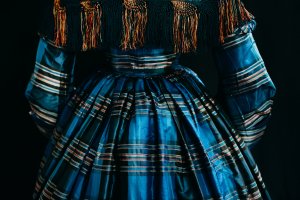
So, that’s going to be a really exciting one, too. And then we also have a a temporary exhibit that um I am I’m thrilled about. It’s called Remember the Ladies, Fashion,
40:26
40 minutes, 26 seconds
Freedom, and the Fabric of a Nation. And it’s all about women’s clothing and how they wore what they wore, and what did
40:33
40 minutes, 33 seconds
that were they sending a signal? What does that mean? Why did they dress in a certain way? Why were the suffragists wearing white?
40:41
40 minutes, 41 seconds
You know, why? And we are able to pull things that we have in our collection from wedding gowns of thing of um of uh
40:49
40 minutes, 49 seconds
Wilson’s daughters who were married in the White House. His both of his wives will be featuring things, but we’ll also be featuring things that we have found
40:57
40 minutes, 57 seconds
through archaeological research on our site.
41:00
41 minutes
um some of the um jewelry and adornments that we have found that um imply or show
41:08
41 minutes, 8 seconds
what what you would have found in a um uh a dwelling of enslaved laborers, for example. And we found them on our site.
41:15
41 minutes, 15 seconds
So, we’re going to share that and what were those stories telling? And that’s an 18-month exhibit. Um the plan for most everything will be switched out
41:24
41 minutes, 24 seconds
after nine months though because we want to make sure the dresses having them out exposed for 18 months is a really long time. So we’re going to do nine months
41:31
41 minutes, 31 seconds
and then switch out with new clothing into another nine months. And that’s going to open right around the 4th of July.
41:37
41 minutes, 37 seconds
Oh, that’s going to be great when everybody’s visiting for Happy Birthday America and the 250th, all the things. Yes,
41:43
41 minutes, 43 seconds
that will be an amazing time. I’m so excited about just the the continuation of stories and and I know the exhibit does a great job. um currently and
41:51
41 minutes, 51 seconds
looking to expand of um especially when you go through the museum. One thing I love right now is that it’s you mentioned it’s not just Woodrow Wilson’s
41:58
41 minutes, 58 seconds
story. It’s also um there’s a trail of numerous people around him during that time and hearing their story which is
42:05
42 minutes, 5 seconds
really exciting and I’m so excited for the exhibits coming up. I’m really excited for the the fabric one. I have a
42:12
42 minutes, 12 seconds
great book actually that I got from um the the library, the gift shop, and it’s a cookbook during the suffrage time and
42:20
42 minutes, 20 seconds
it’s so wonderful because one, it has um the the recipes are fascinating to lean back on, but it was it was used during
42:29
42 minutes, 29 seconds
that time um a lot of times the women used cookbooks as a way to share knowledge of what was happening during
42:37
42 minutes, 37 seconds
the suffrage movement. And so it’s it’s such a great book, but I know I know all the fabric won’t be based on the suffrage, but just pulling in um
42:46
42 minutes, 46 seconds
how intelligent women are at at the messages message they share, how they communicate even when what we wear um and even just markers of the time and
42:55
42 minutes, 55 seconds
and the influence that our clothing and fabric had. So I can’t wait for that. Really really looking forward to it. Excited about that.
43:01
43 minutes, 1 second
Switching gears slightly, I know we’re coming up on on time. I am curious from your standpoint because you have been with the museum now what 17 years close to it
43:10
43 minutes, 10 seconds
and in many different capacities and now of course as as president director um from a leadership standpoint
43:19
43 minutes, 19 seconds
what would you say is I don’t know if hardest is the right word but um I don’t know is there an impactful lesson that
43:26
43 minutes, 26 seconds
especially telling the stories of leaders and those around them is there an impactful lesson that you’ve learned along the way It takes time. I
43:36
43 minutes, 36 seconds
like for things to happen and you know I have learned patience.
43:42
43 minutes, 42 seconds
Um I am so proud of the research and the work that we have done.
43:47
43 minutes, 47 seconds
Um building trust is a huge piece. Just because we’re doing the work and we’re telling people we’re doing the work is
43:55
43 minutes, 55 seconds
not enough. We need to go out into the community whatever that community may be whether it’s Staunton or something or or
44:00
44 minutes
larger. Um because we can’t just say um we’ve done all this great work, you need to come.
44:08
44 minutes, 8 seconds
I am very aware that the name above the door does keep people away sometimes
44:16
44 minutes, 16 seconds
and we acknowledge that and we know that. Um and I get that. Um but I
44:25
44 minutes, 25 seconds
really think it’s important that we engage with that difficult history. Um,
44:31
44 minutes, 31 seconds
I think we become better human beings for that. And um, but for me, I think
44:38
44 minutes, 38 seconds
the hardest part is just knowing it’s going to happen. We’re go we’re going to get there. Um, it just takes time. It takes time.
44:48
44 minutes, 48 seconds
That’s a beautiful way to put it from a physical space because I I I love the property that the museum sits on.
44:55
44 minutes, 55 seconds
It’s beautiful. Um, I don’t know. Is there a space within within the footprint of the museum that still captures you most?
45:02
45 minutes, 2 seconds
Oh gosh, it changes all the time. And it really depends.
45:06
45 minutes, 6 seconds
I will sometimes find myself I like going in to the museum
45:14
45 minutes, 14 seconds
when it’s closed and being alone and and and thinking about what what is this? We
45:21
45 minutes, 21 seconds
have this item here. What is why do we have this item here? What is it telling?
45:27
45 minutes, 27 seconds
Why does this matter? And and sometimes I’ll just walk through and something will catch my eye, something that’s been there for, you know, 15 years and I all
45:34
45 minutes, 34 seconds
of a sudden it just captures my attention. Um,
45:39
45 minutes, 39 seconds
and I love to see, having said, I like to see it when it’s when it’s in the quiet and the solitude, but also love to
45:46
45 minutes, 46 seconds
see people inter engaging with that. Uh we have this this ship that was made for
45:54
45 minutes, 54 seconds
Woodrow Wilson by um by um French soldiers who were conilelesing. They had
46:01
46 minutes, 1 second
all been injured and it’s this beautiful ship that they had built handcarved and I went through one day and we had a
46:08
46 minutes, 8 seconds
group of high school students and they were all like looking how they were looking at everything with such detail
46:15
46 minutes, 15 seconds
and noticing the details and I was so excited about how they did that.
46:19
46 minutes, 19 seconds
Yeah. Um, the gardens of course are so beautiful and and there’ll be changes going on there um in the future.
46:28
46 minutes, 28 seconds
And of course, I would be remiss to not mention my love for the car, Woodrow Wilson’s limo.
46:36
46 minutes, 36 seconds
Yeah, the Pierce.
46:37
46 minutes, 37 seconds
That’s exactly right. And the dedication of the committee members who are so committed to keeping that car in tip-top
46:46
46 minutes, 46 seconds
shape. Yes. And it’s been such a great ambassador, not just for us, but for all of Staunton. Oh, so loved.
46:53
46 minutes, 53 seconds
It is. And I love it because it transcends any kind of political party or, you know, anything like that. People
47:00
47 minutes
love cars. People love the beauty of that car. Yeah. It is stunning. Final question.
47:08
47 minutes, 8 seconds
What would be your ideal day in Staunton? Oh my.
47:15
47 minutes, 15 seconds
That’s such a great question.
47:17
47 minutes, 17 seconds
I would start really really early because there is so much to do and I
47:25
47 minutes, 25 seconds
would start with a great cup of coffee at one of our coffee shops and we have multiples. Yeah.
47:33
47 minutes, 33 seconds
Um I would because that’s my favorite way of starting starting the day. Um I would make sure I hit all of our shops.
47:42
47 minutes, 42 seconds
Um, I would definitely get over to Gypsy Hill Park and enjoy, do a little people watching, get some exercise.
47:50
47 minutes, 50 seconds
Um, and then I would come back in and I would take every advantage that that I can of the great um, cultural organizations that we have.
48:00
48 minutes
Um, everything that sort of has from from um, from theater to um, music. Um,
48:09
48 minutes, 9 seconds
there’s so many things to do here. You know, sometimes people will say, “What would I do there in a weekend?” I’m like, “Are you kidding me? You need more
48:16
48 minutes, 16 seconds
than a weekend to really experience our on your first weekend or your second weekend.”
48:20
48 minutes, 20 seconds
Exactly. So, oh my good and the shops and the people. Oh my goodness. Just to go in and talk to the people. We are so
48:28
48 minutes, 28 seconds
fortunate for the people who live and work here in our downtown. And it’s I you can just feel it. It’s an energy.
48:36
48 minutes, 36 seconds
People love being here. People love what they do. and and that’s something that you feel is genuine and real.
48:44
48 minutes, 44 seconds
Yeah. I I noted recently um we’re so excited to celebrate the groundbreaking of the Arcadia Project, which is a new
48:52
48 minutes, 52 seconds
um cultural performance space opening in Staunton. And um even just the the groundbreaking on a a quite chilly day.
48:58
48 minutes, 58 seconds
I mean, there were 50 or 60 um members that came out and and even just the the walk from one end of Beverly to the end
49:06
49 minutes, 6 seconds
to get there. Um, I just noted to some people I’m like, I feel so fortunate just to have the space and the people
49:13
49 minutes, 13 seconds
around us that we do and um, I mean, new developments are always so exciting and so great, but just the the note of support between of who was there and um,
49:22
49 minutes, 22 seconds
why it matters to us and and the question of why again and um, yeah, I feel very such a welcoming place.
49:30
49 minutes, 30 seconds
Yeah, such a welcoming place. Robin, thank you so much for your time.
49:34
49 minutes, 34 seconds
Thank you for your your your um your just your leadership in the community and the energy that you bring and the positivity and the curiosity. I think
49:43
49 minutes, 43 seconds
that’s one of the um one of the most defining things about you is just your curiosity is so contagious and and so needed and so we appreciate you
49:51
49 minutes, 51 seconds
so I don’t drive you crazy by going well why are we doing that?
49:54
49 minutes, 54 seconds
No, I love it. And what I’ve learned also is I’m going to be asking you a lot about gardening.
49:59
49 minutes, 59 seconds
Great. I’m trying anytime. H I love it. Thank you for your time. People can continue to stay up
50:06
50 minutes, 6 seconds
To date um online with Woodrow Wilson. So many exhibits coming up. Plan a visit. Yes.
50:13
50 minutes, 13 seconds
And make sure you see it. It’s so wonderful. Guys, thank you for tuning in. We’ve got a wonderful ride again this season, season two of the US is
50:20
50 minutes, 20 seconds
Silent We Aren’t podcast. You made this a wonderful success last season, so we’re going to ask you to do it again. If you liked what you hear, like,
50:28
50 minutes, 28 seconds
subscribe, share this episode. If you didn’t, if it wasn’t your cup of tea,
50:32
50 minutes, 32 seconds
just move in, scurry on along if you don’t mind, and we’ll catch you, we’ll catch you back again. But thank you, sis, for your support. We’re excited. It’s going to be a great ride this time.
50:40
50 minutes, 40 seconds
Robin, thank you so much. Thanks, guys. Talk soon.
Newsletter Sign-up
Stay up to date on the latest and greatest happening in Staunton.