The U is Silent; We Aren’t – S2, E6
Would You Survive the 1700s? Inside Staunton’s Living History Museum
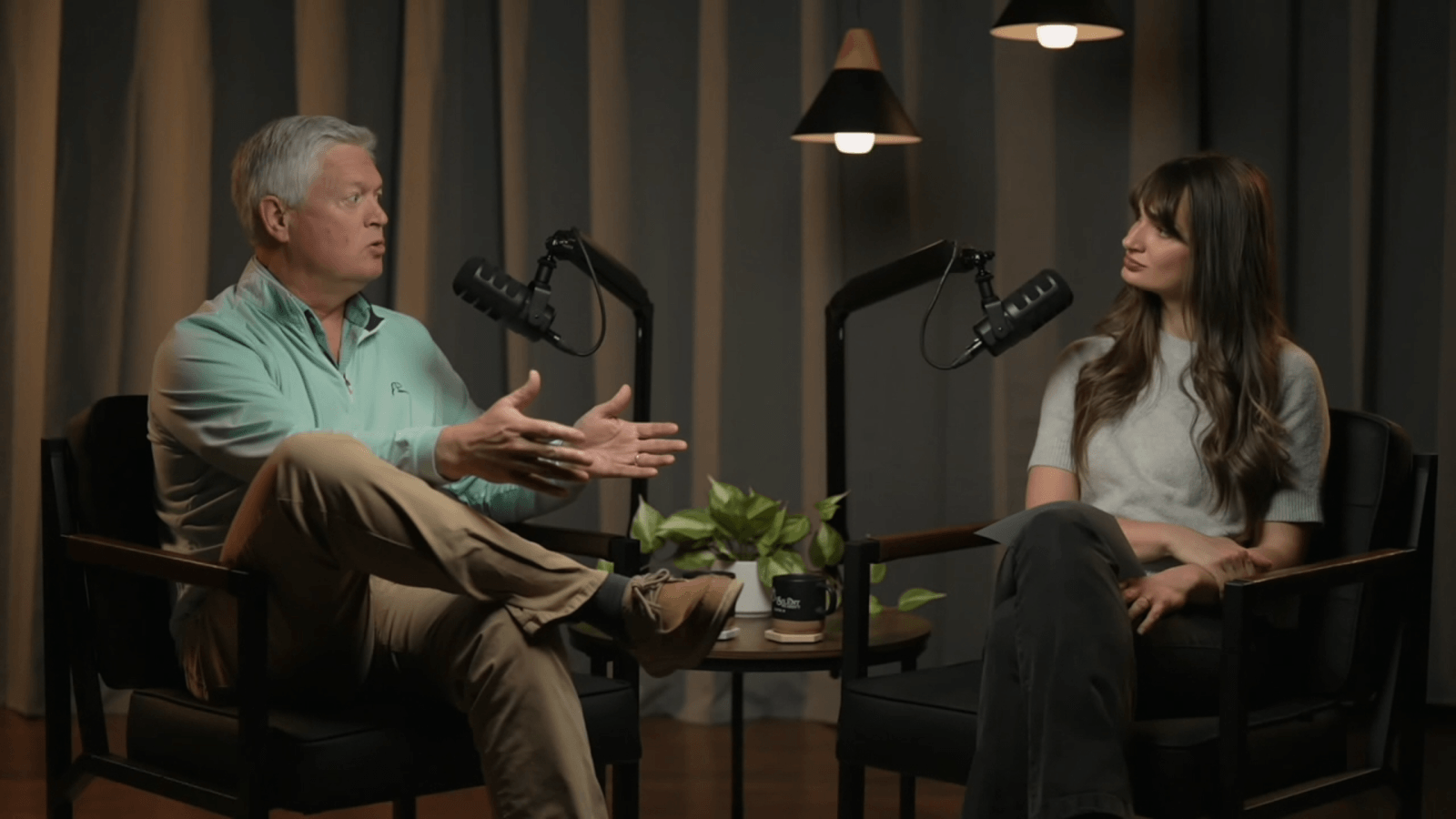
For Butch Smiley, history isn’t about just memorizing dates-it’s about understanding people. In this conversation, the retiring CEO of the Frontier Culture Museum shares stories from his own life and leadership journey while reflecting on the immigrant experiences, cultural traditions, and journeys that helped shape America. As the nation approaches its 250th anniversary, Butch and Samantha explore the impact of living history, what 40 years of leadership has taught him about community and service, and why Staunton remains such a meaningful place to tell the American story.
About This Podcast
The U may be silent, but Staunton has a lot to say. Join Visit Staunton as we sit down with inspiring individuals at the top of their craft. We’re chatting about what drives their passion, the actions behind the impact, and a little about the place where they’re making it all happen.
SUBSCRIBE NOW!
The U is Silent; We Aren’t is available wherever you listen to podcasts. Click the links below to subscribe and listen in to audio only. If you like what you hear, don’t forget to subscribe, give this video a like, and tell your friends.
TRANSCRIPT
0:09
All right, welcome back everybody to the The U Is Silent, We Aren’t podcast right here in Staunton, Virginia. We are so happy to have you back joining us again
0:17
for fantastic episode that I know you guys are all going to enjoy. I’ve learned that our listeners are quite the history buffs and I appreciate that
0:26
about you guys. So, you guys are going to love our guest today. We have CEO of the Frontier Culture Museum, Butch Smiley. Thank you so much for joining us
0:33
here today. Um, you have had such a journey and I know we’re not going to be able to go through all of it, but I’m so excited to to touch on what we can. So, thank you for joining us.
0:44
My pleasure. Thanks for having me.
0:45
Yeah. So, we’ll you know what I I was going to just open up and say, “Hey, please tell me a little bit about your story, but we’ll touch on a little bit,
0:52
but you have had you know, people say this saying all the time, I think more in movies of like a storied history.” You really have had a storied history
1:01
and you grew up here in Staunton, but you have taken um I would say a non-traditional path in in
1:08
many ways throughout your career in your journey in leadership. Um, so I’m really excited as a leader in our community to have you on with us today. But you
1:16
started out, and correct me on any of this, started out broadcasting school, ended up in banking, worked your way all
1:23
the way up from banking teller all the way up to becoming CEO of of the banks,
1:30
almost retired, sort of retired, ended up coming back and becoming CEO eventually of Frontier Culture Museum, right?
1:38
All the things kind of across the board.
1:40
I I would love to hear from you from a leadership side of what the unexpected journey has taught
1:47
you, what the changes have taught you of of what that what that journey has been like.
1:53
I think that um the thing that was most interesting to me is despite whatever discipline I was in,
2:00
2 minutes
how people are still people and it really wasn’t that much different.
2:06
Yeah. Um, you know, broadcasting was its own thing that has its own personality and goals. Banking was a completely
2:13
different discipline. Uh, it’s very focused. Uh, it’s very public service oriented and that type of thing.
2:20
And the museum’s a lot like that as well. So, uh, it it taught me that you
2:26
have to remember not only the why, but also the the who. And what I mean by that is
2:35
I I think in the in the daily hubbhub of everyday activity, I think sometimes businesses and organizations forget the
2:42
why. Why do we exist? What are we supposed to be doing? And uh not so much trying to memorize what the mission statement is, but what’s our purpose?
2:51
Why did we start this?
2:52
And the who is the who are we serving? I think that in today and the noise, you forget who are we actually trying to
3:01
serve. And I think if you keep those two things straight, uh then you’re you’re going to be you’re a long way of being successful. Yeah.
3:08
So, um broadcasting was fun. Uh I was fortunate in that um I was down in Florida and the New York Yankees had
3:17
their spring training down there at the time and I was able to do their their playbyplay. Now, it was a very small station. And I mean, you couldn’t hear it outside the block, so it wasn’t a
3:26
commercial station, but I got exposed to that and got exposed to some of those players in the in the 79 80 range. And that was really cool. And baseball fan, I’m assuming.
3:34
Yeah. Yeah. So, you know, I played in high school and that type of thing, but uh and then banking was very serious.
3:42
You know, it’s a very serious profession as it needs to be. you’re dealing and it’s a very personal business because you’re dealing with people’s money
3:49
and uh you get to see things um particularly on the lending side that no one else gets to see. I mean, you’re looking at people’s tax returns and
3:58
their financial statements and their credit history and that type of thing.
4:01
So, it it becomes it it it’s a very confidential business and uh so there is a seriousness about it and if you’re not
4:09
a if you’re not really a serious person, probably not a good profession for you.
4:13
Valid point to make. Um, some people cared a little too far and they’re a little too austere, but you have to remember the people factor.
4:20
So, and the the museum world, what was what’s most refreshing about that is completely different mentality.
4:27
Uh, and the frontier culture museum is under the department of education uh in the state of Virginia. So I get
4:35
exposed to a lot of uh school children which is really really neat and refreshing and uh so it’s uh it’s been
4:43
yeah very interesting very interesting so I didn’t go to college but I got to learn how
4:51
people react watching how people form opinions how they treat each other. Um so yeah it was fun.
4:58
Yeah. talking about the Frontier Culture Museum. If if people haven’t been there before, it’s incredible. The the largest
5:05
open air um museum in the Shannondoa Valley. Incredible. For those that aren’t familiar, can you give us a little bit of a background of of setting
5:13
the stage for what is the Frontier Culture Museum?
5:16
Yeah, you you go there and um today it’s different because literally our front doors blocked with construction equipment. So, it’s so exciting. We’re going to talk about that because it is so exciting.
5:26
you have to kind of snake around and um get in there, but you sort of walk back in time and uh we have West African village, we
5:35
have an English English farm, an Irish farm, a German farm, and then you go to the new world and uh we have um you know
5:43
an old log cabin and then a couple farm houses. Uh we have an old school house. Yeah. Um and then an African-American church.
5:51
And um when you go there, you actually get to interact with people.
5:56
Uh one of the things that that is interesting about the museum, there was a study done that said
6:04
people remember 10% of what they hear, 30% of what they read,
6:10
50% of um what they see, and then 90% of what they do. M
6:18
and what we pride ourselves on at the museum is it’s very interactive. Yes.
6:24
When children come there, they can actually help cook, play music. Um and so your five senses, all of them are
6:32
actually involved in the experience because you can hear it, see it, taste it, smell it. They have games that they get involved with. Um so it it’s more
6:40
than just going through a museum and seeing pictures and reading about things. and uh our interpreters do a a
6:48
fantastic job of actually living in that time period and showing particularly school kids but
6:57
adults as well what that was like. Um our Irish farm is our most popular exhibit and this area
7:04
is Scotch Irish. So um that that has been always a positive thing. One of the fun things is schoolhouse. We have a
7:11
school master. Yeah. and they actually go in a class and they’ll have a class and you know back then they were much more strict and so the kids always some of them get
7:20
a kick out of how strict the school master is. Sure.
7:22
Yeah. So it depends on the age group but yeah but yeah so it’s different than than what you normally go to.
7:29
Yeah. Well it’s incredible. So I have a a a young son. He’s only three and of course we have season passes and it’s incredible because it’s like an interactive
7:38
space for him just to run and play and interact with. But every time we’re there, it’s always so fun to see um how the different age groups interact and
7:45
then also all the way to adults. So, how he’s interacting with the space and of course he’s very into the pigs and the the goats and
7:53
the sheep and and uh Dali, lovely pig, is wonderful and everybody’s favorite. I know something you’ve shared before is
8:00
8 minutes
it’s really amazing that you know there’s students from all across the state and other states that come and visit the Frontier Culture Museum of
8:07
course and um many many kids from urban areas that they don’t have giant open green fields like you know we’re very blessed to have in the Shannondoa Valley.
8:16
What have you seen particularly from youth? How have you seen, I guess, I don’t want to say the
8:23
expectation, but how have you seen their engagement um change or being impacted with what they’re learning throughout?
8:31
It becomes real to them.
8:33
Um I think that, you know, things that are on a on a page in a book are one thing, but when they actually,
8:42
uh, as I was saying before, get to see it and and and smell it and taste it, it becomes real to them. And what the interpreters really do a good job with
8:51
is it’s not they don’t just state facts or talk about the life. They they ask questions. The kids ask really good
8:59
questions. Uh some of them unexpected at sometimes as kids will do. Yeah.
9:03
Um but I think it they’re almost enchanted by that experience that they get to see it and therefore they remember it.
9:11
Yeah. And also they help us with social media. Sure.
9:14
And you know because the kids these days are really ingrained in that. So, what can we do? Not only for them while they’re here, but but if they can’t
9:21
come, our foundation provides it’s almost $200,000 a year to help pay for buses and bus drivers to bring kids all over the state here.
9:30
So, um yeah, it it it that that part is what’s rewarding is seeing particularly the children come who normally wouldn’t get
9:38
to get to see that. It’s, you know, we take it for granted because it’s right here, but yeah, it’s a true gym, I think, for all of
9:46
Virginia. So, I’ very fortunate it’s in our backyard and it’s easy for us to have season passes and just just go on a weekend real quickly.
9:54
Um, it is amazing because like you mentioned, there’s several different uh exhibits, I guess settlements, you could say, that take people through the
10:01
original settlers of our country, of our area, of our region and community. Um, is there a particular exhibit, I know you said the Irish, is that the one you
10:09
feel like connects them, not connects, but I feel like is maybe most traveled by visitors when they come in?
10:14
Yeah. Um it it’s our most popular one, but Germany’s also popular. And um really all of them. We nobody’s ever
10:22
said we don’t really particularly care to go to this one. They’ll go to all of them. Um I think one people one thing people need to understand is when they
10:30
go to museum, it’s it’s a larger area than you think.
10:33
Uh so if you’re walking, it’s going to take you if you want to see everything at least two hours and sometimes three or four depending on how many kids you
10:40
have or who you’re with or or what. and um you know be prepared with whatever the weather is going to be. So Sure. Yeah.
10:48
Well, that’s super exciting. On that side, talking about weather, um I’ve I’ve been there when it’s raining and I’ve been there when it’s sunshine and
10:56
it’s it’s lovely in a different it honestly uh not blowing smoke. It really is kind of interesting. While I would prefer the sunshine when you’re out walking around, it is, I think, a
11:04
special lesson talking about living history to see the space even in the rain or different weather conditions because it really puts into
11:12
perspective when there’s snow on the ground of the conditions were still the same, right? And so seeing it really did bring it to a whole different level even
11:20
for myself as an adult of, oh, this is what this would have been like as it’s raining today and how they had to collect this and and different things.
11:28
Yeah. It it makes you it forces you really to appreciate what those people went through and the hardship that they went through and
11:37
you know they didn’t have a lawn mower or they they didn’t have a tiller or a tractor and um their life literally depended on the
11:46
weather and the food that they could plant and uh eat in the winter time and storage. They didn’t have refrigerators.
11:53
So I think that leaves a a distinct impression particularly on the school kids. M um that that they just can’t run in and get a glass of milk, right?
12:01
You know, you had to have a cow or a goat or and um so they understand the importance of um how different it was.
12:09
Yeah. And I always take away I think a deeper appreciation for the innovation of people. One to get us now to this point, but also the innovation of what
12:18
we would look at and be like, “Oh my gosh, I how long do you think you could last? I could do 20.” You know, like that kind of thing. Um but the true
12:25
innovation of of people in the era but also that has brought us to this point is um I just always walk away with the even deeper appreciation I think of
12:33
humanity which is often I think the goal of museums. So I am curious from your standpoint as a museum leader.
12:40
We are coming into our 250th. We’re we’re celebrating this year.
12:44
What role overall do you feel like museums play in our continued growth of of humanity and but also preservation of
12:52
history and the role that we museums play in retelling it? One of our goals um is to present facts
13:02
uh to present experiences from source material so that people can read
13:08
something or interpret something their themselves without any bias connected to it. Um,
13:17
studies have shown people go to the museums want to learn more.
13:22
And a recent one came out that said people not only want to learn more, but they want to learn more specifically about certain subject matter.
13:32
Okay.
13:33
So, we kept that in mind when uh in the process of designing programming and what our new exhibit was going to look
13:40
like. And um so I think that that’s important. What you may be interested in
13:47
and what happened in the 1850s may be different than than what I am interested in. So it it’s difficult to as a museum
13:55
to be able to know what to present to folks. So you try to give them a little bit of everything uh and then provide them other material that they
14:04
can go to not necessarily while they’re there visiting but where they can go online and really go indepth to it.
14:10
Yeah. So, allowing the the museum to be a bridge between interest and further further exploration. That’s a great way to put
14:18
it. Touching on the new exhibits. I am so excited for this new exhibit. Um especially being in the tourism wing of
14:25
our city, right, of um what that is going to provide for our visitors, for our locals, and and I’d love for you to share more of what that project is. But
14:33
huge development happening. Um like you said, you can actually go out. I will I will say I know I knew the project’s moving back, but when you guys were initially breaking ground, expanding the
14:42
the roadway. Um it was like a whole separate exhibit for my son before we even got into the museum because he
14:49
would just like name all the different trucks that was out there. So it was actually super cool because we got like a two for one. I was telling that before you came in.
14:57
Yeah. About the different trucks. It was awesome. And then then the next time we went, he was like, I wonder what trucks are going to be out there. So, it’s
15:04
actually been really cool. Um, but we’re we’re going to of course Frontier is incredible, but it’s all outdoors, which as you mentioned has its own set of
15:12
challenges, benefits, but challenges, too. And so, you guys are now expanding into also have a complimentary um indoor
15:20
space to go along. Can you tell us about what’s to come, what’s happening over there?
15:24
Yeah, the state um has invested $70 million. Amazing.
15:30
To build that. It’s a 40,000 square foot indoor facility. Yeah.
15:33
Uh it’ll be the about the size of the footprint of a food line.
15:38
And uh we also have a new equipment we call it equipment shed. I mean it’s it’s a big one right there along frontier. In fact, some folks have thought that was
15:46
going to be the new museum. Yeah. So that’s the equipment shed and then the the new indoor museum
15:54
is right there where you used to go into the museum in the old days. So it’s right there on the left and that’s that’s the 40,000 square foot. So, we
16:02
have about uh 7,000 square feet inside for permanent exhibit space. And then we’ll have I think it’s four or three or
16:10
four for temporary exhibit space. So, we have a permanent exhibit. We’ll have temporary exhibits that can rotate. They’ll be rotating through.
16:17
Then we have education spots and studios for school kids and for for other folks.
16:23
We will still have the Cochran Pavilion that we’ve always had that was in the back. Um, so that we’re looking for the
16:31
building to substantially be constructed. Yeah. Uh, next summer.
16:36
And then we’re hoping to open to the public sometime next fall. That’s amazing. Yeah.
16:42
What What gap do you feel like that space is going to help fill for not only the museum, but Staunton as a whole?
16:48
I think that one, it makes you year round and not so weather dependent. I’ve sat in my office in February and watched school kids get off the bus and it’s sleeting. Yeah. you know, and they’re
16:57
miserable and um so it’ll it’ll help in that regard, I think. Two, it it’s two museums in one, and they’ll
17:06
complement one another. You can go inside the exhibit. One, you’re going to see things that you haven’t seen before.
17:12
Uh the number one complaint that we get about the museum is that I’ve been there and I’ve done it. I’ve seen it. And there’s not a whole lot to change.
17:20
Now, you can change programming and that type of thing, but the building is the building, etc. Right? when we we when you go into the permanent exhibit and particularly
17:29
the temporary exhibit, it’s always going to be something new.
17:32
So that when you go in there, you aren’t going to see what you have always seen. Yeah.
17:36
Um but we’ll be able to go more indepth at a pace that that you can prefer for yourself. Yeah.
17:43
Uh we are making it extremely interactive uh particularly for school kids so they can actually touch and and
17:50
feel things. Um, we’re going to have a section in there that I’m excited about is you will go in as a settler.
17:59
Mhm.
17:59
You just come over, you have a home, and then you’re going to have to make life decisions. So, you you go to this this
18:06
board and uh it’s interactive and you make a choice. Do I go west here? You know, um do I plant this this year?
18:16
And um it’s it’s interesting. And then at the end you’re either successful or you’re not. And sure some cases it it means you’re not going to survive.
18:26
So it sort of hits home with you that how important everyday decisions truly were.
18:32
Yeah. Which I feel like is the one of the most important lessons to teach especially young people is um the power of a decision but also the process and
18:42
yeah the critical thinking behind every decision that we make small and big. They all add up together on it.
18:48
Yeah. I am so excited in fall 2027, right? I’m excited for that in many ways. I know our like you said, there’s
18:55
a lot of um younger people, but then we also we work with motor coach groups from all over the country and I know they are going to adore that.
19:03
So, in addition to the huge development happening, something I love also about Frontier, I know you talked about
19:10
exhibits a lot of times are are permanent, right? But um you guys have so much fun programming that happens on on the campus right on the museum.
19:20
Everything from Cider Festival, you guys just had Fiberfest, which is incredible.
19:25
Um Road Bowling, that is awesome. And a whole slew of things that happen. From your guys’ perspective, how do you guys
19:33
feel like the energy of these modern events and modern things that happen complement the historical nature of the exhibits? How do you feel like they work
19:41
together? Uh it it you have to do it. Um I think it one it makes the museum more
19:48
alive. It it gives a modern perspective sometimes. You know, you don’t have to go there just to learn. You can go there just to have fun.
19:56
Um we have music there at times. Uh we’re going to be doing more of that. We have uh the Steve Dodd Pavilion where we’ll have bands
20:04
and uh we we’ve had to stop some of that because of the construction and it’s primarily a safety issue. Oh, just where people are at.
20:11
Yeah. So, we’re, you know, like Oktoberfest we haven’t been able to do for a couple years and that was one of our biggest draws. I mean, we draw
20:18
5,000 people over a weekend, and that’s a big number for us. Sure.
20:22
Um, so it it one it makes it not just historical, but also makes it au a community center where people can come
20:30
and talk and experience the museum. And it’s a beautiful venue. Yeah. So, yeah. It’s gorgeous. Yeah. It they complement one another.
20:37
Yeah. you guys see, you know, over 60,000 people annually, probably more than that and trajectory up. Um, trajecing up.
20:47
What do you hope people when they leave the museum after spending time, what do you hope they walk away with?
20:52
I hope they walk away with, particularly when we finish the new exhibit and they go through that experience.
21:01
Um, what does being an American mean to me today personally?
21:09
Mhm.
21:09
And how would I explain what that means to my children or grandchildren?
21:16
And um I think we forget how blessed we are as a nation, how blessed we are to live in Staunton. Mhm.
21:26
Um it’s one of the Staunton is one of the more positive places that I’ve ever experienced despite, you know, the
21:34
world. And people truly do care about one another very much.
21:37
And I I what I would hope is that they walk away appreciating more of what we
21:44
have, the blessings that people enjoy, and just how difficult it was for those people back when they came over here and
21:53
developed the country. and the challenges that they faced individually.
21:57
I mean, we had um you know, Native American culture, we had the English culture. Yeah.
22:03
Um the Irish culture, you know, the Europeans came over, um West Africans, I mean, what what they
22:10
went through and uh how all that came together and we end up with what we have today and the challenges that those groups
22:17
went through, how they worked together, how they did not work together. Mh.
22:21
Uh, so it’s extremely complicated and very emotional and the stakes were so high and I think sometimes we forget that
22:28
and we only look at, you know, the politics of today and look at all the negativity. Um, but we don’t stop and think about
22:38
what they went through. You know, if my crop doesn’t come in, if there’s a drought, I’m going to die and my family’s going to die. Yeah. Potentially, right?
22:46
You know, they didn’t have really medicine back then. They had herbs and you can’t just like run to the grocery store real quick to Yeah.
22:52
Right. So, I’ve got a toothache and it’s I have an abscess. What?
22:55
You know, and they were able to deal with that. I mean, they were very industrious people. And uh I think sometimes we we don’t appreciate where
23:03
our where where we came from, regardless of uh what your background is. I think we we need to have
23:11
not that we’ve lost respect for that, but I I think sometimes we just forget about it and don’t appreciate it as much as we need to. So, I hope people leave
23:18
having a better appreciation of what their forefathers went through. Yeah.
23:23
Um that that’s what our goal is.
23:27
Yeah. I think you guys um I think you guys nail that. I I really do. And I think it’s a an and I know audience
23:35
decision has to come into that also, but but it’s it’s an incredible place to ask questions, to contemplate, to understand, to question, and all the
23:44
things above. It’s a beautiful space for it. Talking about journey, I am curious from your side if you don’t mind me asking personally. So, um you’ve shared
23:51
that you are coming closer to retirement soon and you’ve had such a story if we want to refer back to that career that’s been so incredible.
24:02
What are what are some of the standout or defining leadership lessons that that you’ve learned either from leadership roles yourself or from leaders that have surrounded you?
24:12
I think that a great lesson that I’ve learned throughout the process is
24:20
it’s not about you, you know, it’s about others. And um try to be a mentor. Yeah.
24:27
And that people uh I learned more from watching people than I did from what they told me
24:34
in in a lot of cases. Yeah. and it’s just your demeanor and that it’s I think we make life a little more
24:41
complicated than it needs to be if you just are kind and respectful to people. I think that’s half the battle.
24:49
And um you know, I was fortunate that between my mother and grandmother, you know, I was taught that.
24:59
So, uh I’ve I hate arrogance. Mhm.
25:03
Uh it’s that’s that’s the one that gets me. And uh I just think you need to be nice and be respectful and um
25:12
do what you do because you like what you’re doing. Going back to why and who.
25:18
Um I think that’s important.
25:22
Uh I’ve had a lot of different people and I just watched how they treated people. They took their job serious. But it was it was serving the people that you need to serve. It’s about service.
25:34
Uh no matter where you are in the hierarchy, it’s about service. Yeah.
25:39
And if you do that and treat people right, you’re going to be successful.
25:42
A really great mentor of mine, I think I may have shared this before, but um he had a motto that’s I still think about constantly is um it’s hard to be nervous
25:50
when your mind’s on service. And it’s so true. like anytime you’re, you know, you’re in the thick of all the meetings and plans and programming and everything you have to do, it’s being able to
25:59
streamline it right back to the the focus of just serving and people, like you said, putting people first and and bringing people together together.
26:07
Yeah. I I think you have to remember what’s important. Yeah.
26:10
And and you do need, you know, you hear a lot about life balance these days. You did not hear a lot about that when I was coming through everything. And it’s so true. You need to take care of you, too.
26:19
Yeah.
26:19
And your family. And uh it’s not uh I tell my sons this. It’s not all about the money, right?
26:26
And uh this generation that that’s one of the big things that that they look at as we did.
26:33
Um so it’s not unusual, but it’s not all about the money, right?
26:36
It’s about quality of life. And um you know, I’ve always I’ve always said if you’re feeling down, go help somebody and you’ll start feeling better.
26:43
And and it’s true. So yeah.
26:46
Yeah. Yeah. Given your time in St. like you shared, you you grew up here. Um your family is still rooted here.
26:54
For listeners, a fun fact, you and Chris Tuttle, who is our parks director and um was was on our podcast last season. You
27:01
guys are cousins and grew up together as well. So, it’s I’m like, I would love to go to your guys’ family reunion. I just know those stories are good.
27:09
Yeah, we have a lot of fun.
27:10
Yeah. for you given all the time that you’ve had in Staunton going away, coming back, um your professional path,
27:18
personal path, what do you feel like you’re most grateful for about your your time spent here in Staunton? How family oriented it is?
27:26
Family is um not just for me personally, but I’ve noticed that Staunton as a rule, uh they really try to take care of families.
27:35
Uh I would say that, you know, it’s about it’s about family. It’s about your neighbor.
27:41
um you know, not to start preaching, but it’s important, and I think that’s what makes this community special.
27:46
Yeah, you you summed that up very very well. I know we’re getting close to time. Curious, you uh you you work in
27:54
the field with with surrounding the 1700s, especially, do you feel like you could last a full day in the 1700s?
28:03
Depends on the day.
28:05
Yeah. Uh yeah, I think so. Yeah, they they were um very hearty, very industrious. Yeah, I think so. I think I think you could. I think anybody could, right?
28:14
Um it how long you could, you know. Um good question. It’s you know, life then is life now. It’s just different sets of challenges.
28:22
So, yeah, every generation had hard days and good days. That’s right. Yeah. That’s right.
28:29
Yeah. Um, final thing I’d love to to ask you because I know we all have our our different like favorite parts around
28:36
town. Um, for you, what is your your your favorite spot of the museum?
28:43
Uh, there is a place right above the the African-American church. And
28:51
if you’re looking at it, right behind your right shoulder is a hill. And you can go up there and you can see
28:59
the new world part. And uh you just sit back there and you can observe the kids and the teachers and you know the regular folks
29:07
that the adults that are there and just watch it happen and you see the animals and um yeah, it’s just so you can sort of
29:15
sit there and pretend that you’re back in in that time frame. Um, it’s nice and you see the Blue Ridge now. You got an
29:22
interstate there. Kind of takes away from it, but yeah. Um, but yeah, I like that spot.
29:27
That’s neat. I think it’s actually kind of cool. Again, it could be a distractor a little bit, but to see from the old world, being able to see into the new
29:35
world, and then literally being able to see into the present world of of wow, what a great just ju just and and all
29:44
the way throughout. We tell our guests when they mention the interstate, we tell them that that used to be a wagon road.
29:50
So to your point, and that’s what we we say the transition to to that to what it is today. Uhhuh.
29:55
So um and just so you know, you were talking about animals.
30:00
Uh we have five pregnant sheep right now. So they should be having lambs um next month.
30:07
They are so cute and so awesome. Yeah.
30:11
So, well, thank you so much for your time and I appreciate all that you have dedicated to Staunton. Thank you for
30:18
everything you’ve given to the area. Um, I think it’s so amazing that that you are in the business of telling the story
30:25
of of our people and the culture that the people that helped establish our culture here, um, but now playing a role in the culture itself here. So, thank you for all that you’ve done.
30:34
Congratulations on an incredible career.
30:36
I can’t wait to see what’s next. I don’t know if you’re do you feel like you’ll actually retire?
30:40
We’ll see, right? Who’s to say right now? Well, thank you so much. Congratulations for your career and congratulations for everything to come. Um you guys can grab
30:50
season passes for the Frontier Culture Museum. I can’t recommend it enough. If you’ve not planned a trip, make sure you do. um you can stay anywhere from two
30:58
hours to the entire day really and just be fully immersed in it and come away feeling um feeling more connected and
31:07
and like you said like a better person I feel like every time I walk away from there. So thank you guys so much for listening in. Stay tuned for more um the
31:16
US is silent we aren’t podcast. Tell everybody you know subscribe follow us along and we’ll we’ll chat back soon. Thanks guys.
Newsletter Sign-up
Stay up to date on the latest and greatest happening in Staunton.