The U is Silent; We Aren’t – S.2, Ep. 2
Rethink Classical: How Staunton Music Festival is Rewriting the Rules
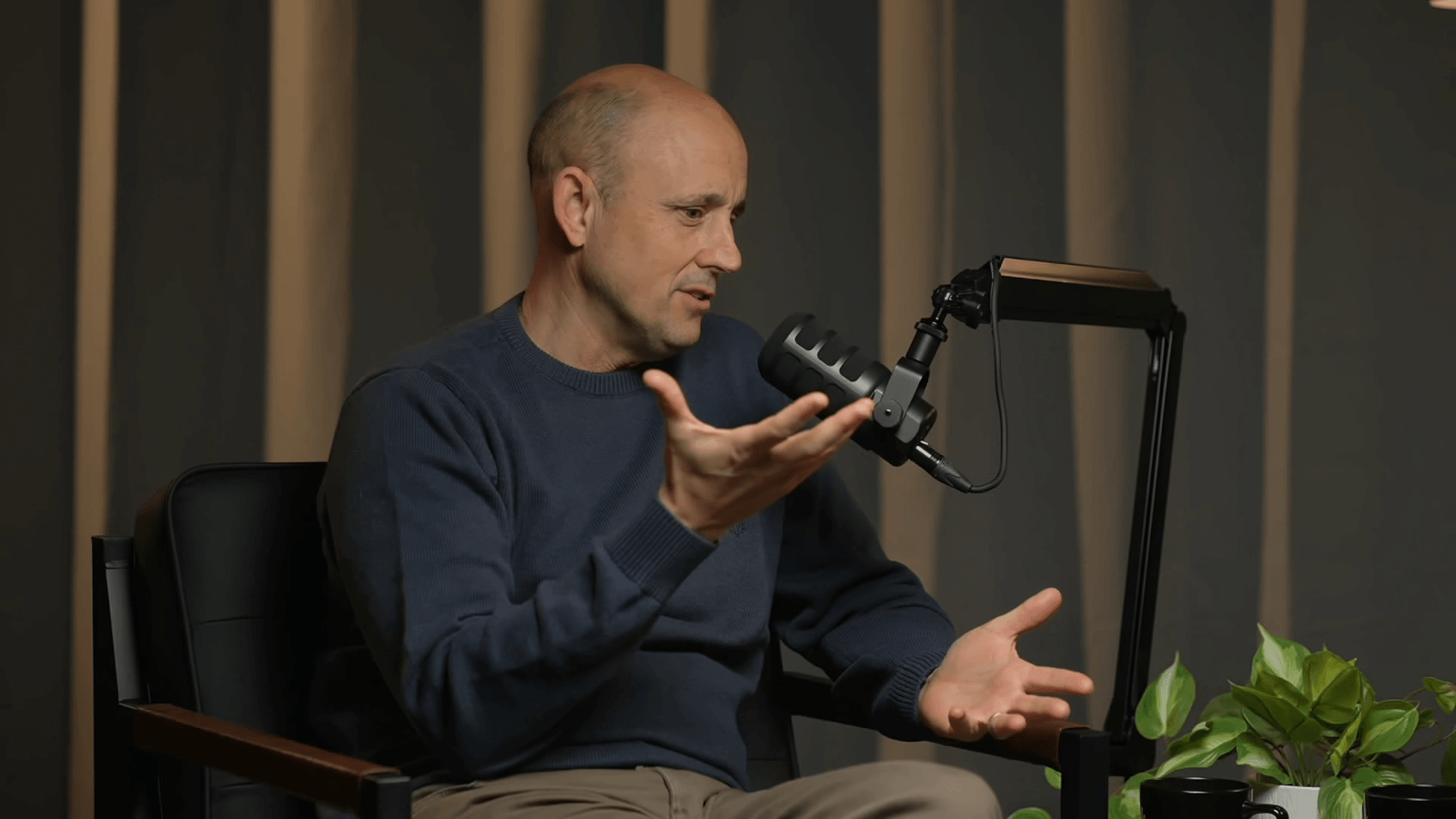
What happens when you take 100 world-class musicians from across the globe, drop them into a small Shenandoah Valley city, and ask them to perform pieces they’ve never played together before? Magic, apparently. In this episode, we sit down with Jason Stell, Executive Director of the Staunton Music Festival, to explore how a scrappy concert series grew into one of the most adventurous classical music festivals in the country, and why a walkable downtown in Virginia and uncompromising artistic risk turned out to be the secret ingredients nobody saw coming.
About This Podcast
The U may be silent, but Staunton has a lot to say. Join Visit Staunton as we sit down with inspiring individuals at the top of their craft. We’re chatting about what drives their passion, the actions behind the impact, and a little about the place where they’re making it all happen.
SUBSCRIBE NOW!
The U is Silent; We Aren’t is available wherever you listen to podcasts. Click the links below to subscribe and listen in to audio only. If you like what you hear, don’t forget to subscribe, give this video a like, and tell your friends.
TRANSCRIPT
0:09
Alrighty, guys. Welcome back to another episode of the US Silent We Are Art podcast right here in Staunton, Virginia.
0:16
My name is Samantha, and I am so excited for this next episode. We are going to talk about one of the defining um uh
0:25
artistic uh footprints and blueprints and fingerprints of Staunton. Um great performance, where we’ve been, where we’re going, and all things awesome with
0:34
with music. So, please welcome the executive director of the Staunton Music Festival, Jason Stell. Welcome to the podcast.
0:41
Thank you, Samantha. Glad to be here. Yes. How’s your day going? Great so far.
0:46
Yeah. Thank you for having me. Looking forward to this.
0:48
Super excited. I always love chatting with you and hearing what’s going on with the music festival. I feel it’s constantly evolving. Um I had such a
0:55
wonderful time recently on Valentine’s Day. You guys partnered with Black Friars and did one of the beautiful um classical music with candle light
1:04
performances and it was so there was somebody sitting behind me and they went, “Whoa, this is magical.” I’m like, “Yes, it is.”
1:13
Yeah, [laughter] it is. It was a great atmosphere.
1:16
It was. So just constantly evolving and adding and expanding. But I I digress. Um Staunton Music Festival,
1:24
it is a a worldclass music festival uh based right here in in Stant Virginia.
1:31
Been around since 1998. But just to set the scene for those that don’t know much or anything about the festival, what what is so different about this
1:39
festival? What is the Staunton Music Festival?
1:42
Sure. Um well it is a classical music festival and that has to be said you know off the bat
1:48
but um I think what gives it a kind of a different energy is that when we hire musicians to come and play
1:57
this is different from a lot of other classical festivals that you may be going to or may know about. Um, a traditional model is that you reach
2:06
around the world for all these great ensembles like pre-formed groups, a string quartet or a singer with a pianist, and you bring them in. You
2:14
bring in another group the following day or or following week.
2:17
Um, but we don’t do that. We don’t bring in any pre-formed groups at all. We just go after the best individual players
2:24
from all around and then we bring them here and we mix them all up and they then perform the music that’s
2:33
selected by our artistic director Karsten Schmidt who’s been here since the very beginning with the festival.
2:39
Um, and so what’s cool about that is the players themselves get to do things that
2:46
they don’t normally get to do the other 300 days of the year when they’re at their kind of regular gigs, whether it’s an academic position or with a symphony
2:55
orchestra or something like that. So, we we try to bring them in and get them in different combinations with each other,
3:03
but also doing pieces that they haven’t ever done before or haven’t done in 20 years. Um, and that gives it a kind of an intensity and a freshness that’s
3:12
pretty hard to recreate. And and the other aspect of it is what we find is that that energy communicates across to the audience.
3:21
So, they pick that up when they see the performances.
3:24
I um last year I was I was so honored. I got to sit in on some rehearsals and and capture some footage with that and it
3:31
was just mesmerizing and it was so great to see that side of thing because something that is so defining and and when I talk about the music festival to other people I’m like it’s remarkable.
3:42
It’s not it’s not like an orchestra that comes or on the same thing you just shared. I’m like, yeah,
3:46
they’re all individual performers and they come here and they partner and um it’s just so incredible to watch how artists and performers at that level,
3:55
how they showcase their work, but also collaborate and work together with I’m I’m sure, you know, in the in the music world, many know each other, but also
4:04
many don’t get to play together on that side of things. And that’s right.
4:08
It is so fascinating from a creative standpoint. Yeah. To see that final product come together.
4:14
Yeah. And a couple years ago, uh, I was sitting down at lunch with a couple of their performers, and there was a a
4:21
woman violinist from Baltimore who’s come a lot of times. And then there was a a guitarist we brought in just for that year from New York City.
4:28
And they just looked at each other for a moment and like, “Oh my gosh, I haven’t seen you in 25 years.” And they had they had sort of studied together, over overlapped a little bit in conservatory.
4:39
And then they were together in a very edgy kind of contemporary piece that was being performed and that happens every year. Yeah. Yeah.
4:47
I do feel like and I I guess I hadn’t really thought about till now. I do feel like the festival and that aspect of it is such a great reflection
4:55
of this the the makeup of Staunton as a whole and especially um I guess when I just when I look at because something that’s so defining
5:03
here is how well our attractions and especially our our art institut institutions work together and
5:10
collaborate and support and leverage um retail’s the same kind of like every every sector I guess I never really thought about the
5:19
parallels But it really does mirror I feel like our community as a whole of very individual and what could be very
5:26
very competitive and at times maybe [clears throat] is but there there’s this cohesion and collaboration that happens um huh never really thought about that that way before.
5:36
Yeah. and and any kind of arts organization or even any city I think you know you have those challenges
5:44
whether you’re you’re either too small to have that critical mass or you’re too large and then you do have multiple you
5:51
know uh merchants in the same sector really kind of fighting for the same dollars and the same clients and I feel like Staunton and also the festival right
5:59
now is in a really nice place that there’s enough to draw people here but not so much that
6:06
people feel kind of treated you know informally. It’s not got that big city feel of being completely anonymous.
6:14
People know you and with the festival structure we have about like in the summer festival we have about 90 to 100 musicians who come
6:22
in and a lot of them let’s say 70 of 90 have been coming for many years. So they
6:29
stay with the same host family for year after year up to 10 or 12 years and they build relationships with those people with business owners downtown.
6:39
They get their favorite restaurants and so they just kind of drop into our community for that two week period, you know, then they go on their way and
6:47
hopefully the next year they come back and I always hear from the businesses too and the hosts how great it is to see so
6:54
and so back, you know, each season. So there’s there’s a a feeling of community there and yet it’s a community that reaches
7:04
from Finland to Brazil to the West Coast and all the way, you know, throughout the United States. So
7:11
it’s amazing. I’m excited to talk about your journey because to be honest, I find your journey fascinating. Okay. Um [laughter] originally from Pennsylvania, is that right?
7:18
Correct. That’s right. Yes. went to school and and I’d love for you to share um you were on a very different trajectory for a good stretch and took took a pivot.
7:29
Tell us a little bit about the adventure that has now brought you up to to this point with how long do you have right?
7:37
Sure. [laughter]
7:39
Yeah, I’m happy to. Um it’s it’s been a really meaningful experience for me. And what happened for me is that I didn’t grow up in music.
7:49
Um there was a little bit of a round of it around, but like any kind of high school kid, the thing that spoke to me
7:57
first was pop music and and I was heavy into break dancing. I’ll tell you that when I was that age. Breaking news.
8:04
Oh my gosh. Yes. Okay. Yeah, that’s a lot.
8:06
We’ll have a lot more to talk about later. Um, but you know, and then I, you know,
8:11
picked up the guitar, got into rock music, classic rock music,
8:16
and honestly, it was that kind of connection that opened a door where I started listening to music that was longer than a few minutes,
8:24
had a structure to it. Yeah. You know, it had it would set up themes,
8:28
it would go away, it would come back. A lot of it was instrumental classic rock.
8:33
And that just kind of opened up explorations into another world for me.
8:37
But I was really on a a science path. I loved math and physics at the time. And
8:44
looking back on it now, I realized that what really spoke to me were the kind of big questions that that came up in things like astronomy, cosmology,
8:55
foundations of the universe. Um, you know, I was just kind of something was was turning on in my head when I was
9:02
reaching 16, 17, 18 years old, a curiosity. Mh. And so when I went to college,
9:07
that’s what I started in. And um it was great. I was at Penn State and they had a fabulous program. I met a lot of great people, had some great
9:15
classes. And as I was getting further along in that undergrad career,
9:21
um I also was realizing that yeah, I was really fascinated by those questions,
9:25
but I had never thought about what it would be like to do that as a job day in day out. Sure. The technical side of it,
9:32
a little different. And um when I went to college uh maybe being off on my own too, the music side got a little
9:39
stronger and I got exposed to some classical music different ways. Part of it through members of my family uh but also being at a major school like that.
9:49
I could go to concerts any night of the week.
9:52
And that was another experience that was really powerful. It was a whole world I knew nothing about
9:59
and it just lit a fire in me. And so I started teaching myself piano. I was
10:06
about 19 at the time. So I kind of knew that I was not going to be a performer. You you don’t get to that level starting that late.
10:16
Um but I did whatever I could for myself and to kind of buy my way uh a pathway into that field. Um, and I, you know,
10:26
went right in for things in music history and music theory side of it because some of that came naturally to me with all of the the math training,
10:34
the kind of logic that science involves.
10:37
Um, so I thrived in that and it uh became pretty clear that that was the direction I wanted to go. So I shifted uh out of the the science realm,
10:48
got a masters and then ultimately a PhD in music before ending up here.
10:54
It’s amazing. And ended up through that decision ended up meeting your wife in class. That’s correct.
10:59
It’s kind of interesting how life those decisions end up forming forming where you are.
11:04
Yeah. We had some similarities because she was in a medical track, but she had a long history in music.
11:10
And uh we were both just so excited about what we were hearing,
11:15
which I mean, you’re going to have some younger people. You’re going to have some college students watching your podcast, you know, and we were we were just those two annoying,
11:25
excited kids sitting up in the front of the class at 8 a.m.
11:29
just eating it all up, you know, and everybody else was half asleep in the back of the class. But we found each other through that and uh it’s been a great connection.
11:37
Yeah. Really great.
11:38
Curious if you don’t mind sharing how uh how did your family react when you were on a very specific path um with science
11:46
and research and then you’re like hey I’ve learned piano and also I’m going to follow this path. Yeah. What was the reaction like?
11:53
Well they were um they were definitely supportive which was really great. I knew I know it could have been very different. Um my mom and my dad had
12:01
different reactions to it. So my mom uh always had a love of music and she studied a bit of it when she was in
12:08
college but then she went into education. Okay.
12:11
As was my father. They were both teachers and um but I think she was supportive of it from that angle. She knew
12:19
the joy and the power and the kind of vibe of being in music. My dad was much more practically minded and thinking
12:27
about, you know, you’re you’re ready to get a good degree and go into what you have here. Yeah.
12:33
And so that was his concern was would you be able to support yourself doing this? And um ultimately he you know he was fully on board. That was his only
12:41
concern. But uh after the good experiences I had in graduate school um you know I think he got completely behind the idea.
12:50
Yeah. Yeah. And you um you had a couple experiences with with Staunton, right,
12:55
before you guys fully moved here and and yeah, set set stakes in the ground.
13:02
Funny enough, um my first connection to Staunton was in 1994. Okay.
13:10
I drove through on my way down to the radio telescope observatory in Greenbank, West Virginia.
13:17
Okay. Yes. because I was an undergrad and they had a summer internship program for the astronomy students there and so
13:26
I spent a week down there. But I remember driving through driving past Gypsy Hill Park. I actually drove past
13:33
the house that we ultimately bought in 2006 as our first house here [laughter]
13:38
in town. But we drove through or I drove through on my own. And then maybe about 10 years later when I was with my wife,
13:45
we drove through on our way just to kind of go down through North Carolina, the Smoky Mountains.
13:51
Um we pathed out a a route from Pennsylvania that brought us down 81 and across 250. We went right through Staunton again. And I was like, I think I’ve been here before.
14:01
And uh so that would have been in like I don’t know, something like 02.
14:07
and and downtown was still very different at the time. I mean, the Playhouse may have been opened or just opened, that kind of time, six years, 25 years.
14:16
But, uh, yeah. And so then a few years after that, we were living in Charlottesville. She was in her medical training there and I was singing with an
14:23
early music group that Karsten with the festival invited to come and be involved in a performance. And that was in I think 2004 or five. We sang in Black
14:32
Friars’s Playhouse and the festival was incredibly small at the time. Six concerts total, I think,
14:40
or seven. Whoa. Very different then. Yeah. [laughter] Yeah. And he just said,
14:46
“If you guys end up in Staunton, let me know because we could certainly use you. We’d love to have you involved.”
14:52
By that point, I I was just about done with my my dissertation work and I was trained to write about music, to speak about music.
15:01
uh to analyze it and try to communicate what’s going on. Um and that was my first role really. I mean as a volunteer
15:09
I loved coming to the first concerts giving pre-concert talks writing some notes to be printed for the concerts and
15:16
in fact good anecdote for you with your predecessor Sergey Tretskcoy. Yes, first
15:23
tourism director. He was on the board and he’s like, “Yeah, come on down. I’ll help you print out those programs.”
15:29
Because we would print like 25 programs for the audience each night, you know. So, very different audience sizes, too.
15:35
Exactly. Right. Now, I can’t call him up and say, “Say, I’ve got 500 to print, you know, can I come by?” Different, you know,
15:41
different good connections and a good history with the city, with the tourism office. It’s It’s been great.
15:46
Oh, that’s great to hear. I do want to back up real quick because um you know there’s so much conversation about STEM
15:53
and STEAM and science and art and um I’m curious from your perspective. I know you talked about it was it it really
16:00
16 minutes
kind of helped the transition from your when you went into music theory of just having that that logic
16:06
and and analyzation and things of that but how do you feel for in your experience because I I’ve also gr grasped that it’s different for
16:14
everybody. Yeah. How has the world of science and art overlapped or woven? How has that impacted you?
16:21
Okay. Yeah. Um, yeah, there’s a lot of ways you could answer that question.
16:26
There there there certainly are connections. Um, and I get asked that question because of my own background. Yeah.
16:33
And and and one of the things I often point out too is that for me what really spoke about music was
16:41
how different it was. You know, it was it was so creative. the people were so totally different like like a different world.
16:47
But um I mean through centuries there are connections between the scientific world and the artistic world. And in
16:55
music specifically of course you know music is essentially organized sound. Yeah.
17:01
And sound is a physical phenomena that we all interact with in some way. And so from the 19th century on in definitely
17:09
early 20th century, composers were picking up on developments in physics,
17:14
the physics of sound and using that as ways to refine what they wrote and how they created things.
17:22
Uh there are great stories about certain composers that you know had training in both areas as
17:29
well. There’s stories of many famous physicists like Einstein, uh, Verer Heisenberg who were almost concert level
17:38
musicians as well. So there’s some connection the way the brain works and process these things. I think there are differences, fundamental differences,
17:46
too.
17:47
But music often is very logically organized and and we we almost intuitively grasp grasp certain things
17:56
like that. that doesn’t necessarily mean they’re going to be a great performer because that often times requires you to break out of the rules and the
18:05
expectations of what you think is coming.
18:07
Um, but there are some wonderful stories about composers that like for example this one composer has something called sinthesia. You know what that is?
18:16
No.
18:17
So that is something that people today still experience where when they hear sounds they see color.
18:25
Oh, okay. Yes. They smell things, they have tastes, they have certain images that appear in their in their inner mind, you know. Um, one Russian composer
18:34
I worked a lot with in in my graduate studies was uh was a sintheite and he would write pieces of music
18:44
setting out the structure of chords or notes to reflect the colors that he saw.
18:49
Yeah. and he even wrote a piece of music that involved the pro projection of colored lights on a backdrop. And this is in 1908 or 1910.
19:00
19 minutes
Um, so he was very interested in things that were being developed in the science of sound and physics. Yeah,
19:07
that is that we could have a whole part two break dancing and how the [laughter]
19:12
brain works. We’ll bring it all together. Sure.
19:16
One of the questions I’m most curious of and it’s something that struck me when I first moved here and and I heard about this festival and I’m like wait what?
19:24
Why Staunton? Like why does this festival make sense for a a small city in the Shenandoah Valley?
19:32
Yeah.
19:34
Um well I guess in some ways it doesn’t make sense per se. That’s a good way it because it doesn’t.
19:41
Yeah. Like like on paper it doesn’t. If you came to me and said, you know, we’re Staunton, Virginia.
19:47
I’d love to create a 100 person summer festival, 10 days, 30, 40 concert
19:54
and we’re going to pull them from all around the world. They don’t work together already.
19:57
I don’t think you do that from scratch here. [snorts] Sure.
20:01
So, we have really been lucky and fortunate, well supported over the 28 years that we’ve been doing this. Uh but
20:10
it started very very small, very modestly, all volunteer run, two or three concerts.
20:17
Um however,
20:19
what makes it work now is there’s a few things about it, I think, in terms of things that are specific to Staunton, Virginia.
20:28
First off, the compact downtown. Yeah,
20:31
I think that’s really key. I love to travel. I love to go to Europe. And one of the things I notice about the cities that we love to go visit is yeah, they
20:39
may be big, but the footprint is always walkable. Yeah. You know, and so for what we try to do,
20:47
we keep all of our festival concerts in the in downtown. So that’s three blocks by five blocks, you know, exactly. So that when people come, they can park the
20:55
car and walk to everything they want to do. And what I think that does is it gives you that feeling of that European style festival where in the day you’re
21:05
at your hotel, you walk across the street to get breakfast. At noon, you go to our concert which is one block further over.
21:12
Then you window shop. You maybe take in lunch. We have a midday thing somewhere downtown in in a business maybe.
21:18
Um then you’re still, you know, checking back to your hotel. You’re getting dinner. You’re coming to the evening concert. It’s all happened within a
21:25
space that makes it logistically really simple to pull off.
21:30
And the logistics of it is another aspect.
21:34
It takes a lot to pull off what we do from a produ production perspective. Sure.
21:39
And I mean when I watch what we try to do and I imagine it happening like in DC or New York scooting a grand piano.
21:48
Yeah. Double parking everywhere to kind of unload things from place to place. So now when we think about all right we’ve got rehearsals going on Trinity and when
21:56
they’re done you need to grab those two Tony drums and take them across to First Presbyterian all right that can be done in 5 to 10 minutes.
22:04
Yeah but in a big city impossible whole different set of logistics.
22:07
Um so I think that the shape of the city the actual layout is a big part of it.
22:11
And the second thing is then the great support that we get from the businesses from the community who put up all of these musicians and staff
22:19
members in the summertime. Um, if we didn’t have that, first off, if we didn’t have that level of support, we wouldn’t be here. We wouldn’t have made
22:27
it through because the amount of money that cost to house all those players. We never had the budget to do it. So, this probably wouldn’t have developed the way it did.
22:36
Um, so that support allowed us to every year just keep taking small steps and growing. We’ve been very lucky to grow
22:44
about 8% 10% in audience, budget, size from year to year. Never the massive
22:52
jump from one year to the next that you can’t manage. Yeah, exactly.
22:56
You mentioned the the community support of it. I’m really curious because this this festival is unique in many ways.
23:02
pretty much every touch point of this festival is unique, but something from the behind the scenes that many people may not realize is like you mentioned,
23:09
there’s a number of host families that host these musicians. Um, some host year after year after year, some are new and and it’s really a great mixture. And
23:18
then also the aspect there’s still a great number of volunteers that are are running this organization as well,
23:24
right? I understand from the financial standpoint that like it it could not have grown to this capacity without that buyin. But I guess from the cultural
23:31
impact of it, how do you feel like that community fingerprint and touch point has shaped the culture of the festival itself?
23:40
Oh yeah. Yeah, definitely. Um,
23:43
it’s it’s one of those things that when you talk about the festival being like a community festival, let’s say, that might conjure up in your mind that it’s
23:51
all local performers, for example, or just, you know, talented amateurs or something like that. And one of the things that I really commit to and I
24:00
24 minutes
believe very strongly is that what we put on the stage is uncompromising in terms of the level and the eclectic mix.
24:10
The kind of music performed in ways that you will see in the biggest cities anywhere you go. That that’s what we insist on.
24:19
But yes, behind the scenes we have 120ish volunteers that are involved in this. What a massive operation.
24:27
Everything from ushers and box office staff to people helping at lunches in our musicians cafe and then about 60 to
24:35
70 volunteer households to put the musicians up sometimes for as long as two weeks in the summertime. Um, and as I think I
24:45
mentioned earlier, one of the great things that has developed over the years is that the performers build a connection with their host family.
24:53
And some of those hosts then go abroad in the other times of the year to see that musician in their kind of native
25:01
environment, you know, so they’re traveling to Germany or France or Finland, Chicago. They’ll go and they’ll they’ll reconnect at other times in
25:09
their home territory. So the great thing about it is that when you have Trinity Episcopal Church filled with almost 500 people for a for a full concert,
25:21
there’s a connection between what’s going on in sta on stage and in the audience because in that audience you probably have about 60 people who are
25:29
housing musicians and another 30 people who may volunteer in some capacity. Yeah.
25:36
Or a dozen board members. And so they’re it’s not they’re not strangers up on stage. They’re not these amazing
25:44
performers that you brought in, but you’ve never met them before. Like you had breakfast with them. Yeah.
25:50
And so the hosts contact me a lot of times to say, “Hey, I just want to make sure that when Mark is performing, you know, or when Brian’s performing, I want
25:58
to be there because he he was telling me about this piece he’s doing. It’s a brand new piece this year or something. I want to make sure I’m there for it. What night is that?”
26:06
Yeah. And so we make sure we get that connection made because that’s where the meaning really comes in for them.
26:13
What a a beautiful just like human experience though because it makes me think about you know growing up or or um my background was in theater for a long
26:22
time and just thinking about the comfort of having my parents or my family or my friends in the audience of
26:29
okay I’ve got at least that that group right and then you you build from it. But yeah, how rarely do you have that experience,
26:36
especially as a professional musician that travels a lot, right?
26:39
And then coming maybe abroad, but still having like that little even though it’s not family, it’s it it feels that way, like that little cheering squad for you. That that is Oh,
26:51
that’s so encouraging and fun.
26:53
It’s great because we work really hard to not only bring in the best players,
26:58
but good people. Yeah. Because then what happens is then the hosts say, “Listen,
27:04
is she coming back next year? I got to have her.” You know, like she was so great. We had so much in common. And
27:10
that humanizes it immensely. And for the musicians then we often will give them a choice of we can put you up in a homeay or if you prefer you can have a hotel.
27:20
You know, they almost always ask for the homeay.
27:23
That’s awesome. because of that personal connection, the lifestyle, you know,
27:26
they they they have to stay in hotels many times when they’re touring. But if we can give them something a little more personable while they’re here, uh it just is a great experience for them.
27:37
Overall, what do performers say about engaging with this this festival?
27:43
Yeah, sure. Um, a lot. [laughter]
27:47
We we often we we ask for their feedback. I mean, we really want to hear from them what they’re thinking. Um, so let me give you the challenges.
27:57
Uh, demanding schedule. Sure. So we we do 120 pieces over the 10 days in that summer festival.
28:07
Um, they arrive on a Wednesday morning to start rehearsing and the first concert is two days later. And and like we said,
28:14
they may have not have met the performers they’re they’re in with. They haven’t done this piece before,
28:19
but they all are professionals. So they arrive with knowing the music cold. You know, everybody comes in prepared and then we use those rehearsals to get
28:28
to know each other and to get to develop the piece, have it speak and have it say something.
28:33
Um, but we have to do a lot in a short amount of time. So we ask a lot of them. Yeah.
28:39
On the flip side, we try to give them some great parties.
28:42
We take care of them. We give them we give them plenty of meals. There’s plenty of after things going on and social experiences. Um,
28:49
one of the things that they they routinely say that they enjoy about the festival is they get to do things here that they don’t get to do anywhere else.
28:58
And they’re disappointed if we don’t give them enough of that.
29:01
And so a challenge for for me and for Karsten who sets the the artistic program and and divvies up the music to
29:09
each individual player and he gives a lot of thought to I think I want to give him this piece. I want to give her that piece.
29:16
um thinking about their personalities,
29:18
what they bring to it, and um they want to lead a piece, but everybody gets a chance to lead.
29:27
It’s one of the things I always say about the Staunton Music Festival is it’s not about the stars or the star factor,
29:35
the wow factor of the individual musician. It’s really about the music.
29:38
The musicians are fantastic and world class,
29:42
but it’s not like we’re bringing in a headliner that somebody may know just by name because that then drives the dynamic of the entire festival.
29:51
Yeah.
29:52
Yeah. And we want to keep the focus on the music itself and how it gets made. And so everybody gets a chance to lead,
29:59
everybody gets a chance to follow, but they really welcome those those opportunities to do things that they don’t get to do the rest of the year.
30:07
they may never get to do another time in their life and they relish that experience.
30:12
There a few years ago it was the performers themselves they kind of created I mean I guess a hashtag but a um their own little internal campaign.
30:21
It was only in Staunton and while they were here they were just kind of Yeah,
30:24
it’s so fun to go back and and look at that hashtag a little bit. Um and it was the the performers during that time of just being like only here can all this happen.
30:32
They love the the tourism trucker hats.
30:34
Oh nice way back. Okay, good to know. We saw so on that side of Only Staunton Only
30:41
Staunton Music Festival. Um the the festival has really
30:49
led with a reputation now of of one the quality but also the very adventurous I guess we can say nature of of the production.
31:00
31 minutes
That can be tricky. Yeah. And so for your guys aside, how do you guys balance
31:06
this this double expectation of artistic risk but also audience expectation of what a chamber music concert typically is.
31:17
Yeah. And and that is something we’re constantly thinking about and working on. Um, you know, your question could go
31:25
down a direction of a major topic, which is how does classical music survive? How will it survive going forward?
31:34
Uh, because a lot of groups are really struggling with audience retention,
31:39
bringing in younger people because in America at least, we’re not growing up with this as a part of our culture, right?
31:47
Like previous generations really did.
31:48
they they had it as part of their culture from the beginning. Um we’re again fortunate, lucky uh we’ve
31:57
been very successful in in managing to continue to grow our audience.
32:01
So in the early years when Karsten would pitch something to me that I thought,
32:06
“Wow, that’s that’s a stretch. That’s going to be a real challenge.” I would be worried about losing audience over it. Um and we would.
32:15
Yeah,
32:15
it’s true. we would because he was very insistent on it and the board backed it and to his credit what I saw happen was
32:25
that the vast majority of the audience applauded it and said yes we need this kind of thing I I I’m
32:32
not coming to you for fairly traditional classical programming you know classical music already is traditional in that
32:40
sense and I guess can you kind of define for us and share because when we say adventurous on it right like Yeah.
32:47
What are we talking about? Like people are going to hear things that they arrangements. Yeah. Sure.
32:52
Songs that they may correct. Yeah.
32:56
Kind of define what we’re talking about when we say adventurous for this festival.
32:59
Sure. Um we will do about 800 years of repertoire. So that’s from the Middle Ages,
33:07
12th century, 13th century up to things that were commissioned by us. And we’ll get world premieres done here. Yeah.
33:15
So that’s everything. That’s the that’s the time frame.
33:19
The other range is from very small to very large pieces. So solo performance up to staged opera um symphony orchestra
33:29
of 40 to 45 players on stage. So you get all of that mix going on. Arrangements.
33:36
So things that a piece of music that you might know, but you know it as a piece for a full symphony orchestra of like 80 musicians,
33:46
we get an arrangement for 12 players, what we’d call a chamber arrangement. Sure.
33:51
Or maybe a new version that one of our people wrote for, for example, this year, two pianists and three
33:59
percussionists of a piece by Stravinsky called the Firebird. Originally written for a big symphony orchestra as a ballet piece. Okay.
34:06
So, we’ll do the world premiere of a new arrangement for just pianos and percussion. Yeah.
34:11
Um, pieces that are familiar are on the program. Beethoven symphonies, Mozart,
34:18
Handle, Bach, of course, these are staples of the repertoire,
34:22
but we always pair them up with things that are unfamiliar. Yeah.
34:27
Or maybe a familiar piece, but done in a different way.
34:31
And we have a tagline for our festival called Rethink Classical. Yeah,
34:35
because what we would consider a fairly
34:45
traditional or conservative classical festival. He’s done that. He’s played in those programs. They have a place for sure. Sure. And you can go to them, which is great.
34:54
There are lots of outlets for it. He just felt very strongly that what he wanted to do with this festival was not that. Yeah.
35:00
35 minutes
And so that put a stamp on the festival from the very beginning. So that anytime you come to a festival, you’re going to see something that just kind of blows
35:09
you away and you love it and they’re going to be something else that you’re shaking your head and you’re like, “What was that?” Right? You may be tempted to
35:17
walk out. We have had people walk out on concerts. Well, and we have had people come out saying,
35:22
“That was incredible. Thank you for doing it. I don’t know how, you know,
35:26
anybody else would have done that. I appreciate you doing And so we want those kinds of experiences because we really want what we call classical music to stay
35:36
relevant in the sense that people are talking about it. And of course all of these musicians, they’re living this. This is their life.
35:45
You know, it’s not music just from 300 years ago. All music, as we say, was once new music. True.
35:51
Right. And so we feel very committed to bringing the best of the past and the best of the new together at the same
35:59
time. you know, classical music’s so interesting and and it’s something um it’s something so extremely unique in
36:07
Staunton is is our is our our the access that you can have here to to
36:16
classic whether it be with American Shakespeare Center um and the work through theater with that and then also between hyitz and the learning aspect
36:24
and then stamp music festival it’s very uncommon right but I I do think there is sometimes times a perception of a
36:31
barrier of of from an audience standpoint of oh that’s just for like almost like you have to have
36:38
experience of classical music to go into it and that’s not the case and and there’s so many avenues that you guys take to to open the doors up pop-up
36:46
series free shows um many many things but I guess I don’t know what is the experience is
36:53
is there a different um anticipation or expectation of an audience member for classical music compared to something else.
37:02
Uh yeah, I think inevitably there will be because the classical music environment when you
37:10
go to hear a concert very often what most people are there to do is is to listen quite closely and of course it’s
37:19
live and all of what we do is live. So there is a visual aspect to it and we have audience members who are are really
37:26
like addicted to being upfront to be able to see. They want to like feel the vibration.
37:30
Exactly. They want to, you know, if you spit on me, that’s great. [laughter] And they want that that immediacy. They want
37:38
to see the sweat and and the communication visually between the musicians.
37:44
But the the the the other side of it is people are there to listen. The music can get very quiet at times and very loud.
37:52
And of course, yes, we go to a bluegrass or a jazz concert or anything like that also to listen.
37:57
But there’s not the same expectation when you go there as an audience member that you will kind of politely quietly sit and listen, you know, for the
38:05
duration of the piece. You might get up and go to the bar and get a drink if you’re at a cafe or, you know, at the bluegrass concert, you’re going back to the bar and grabbing something. You
38:13
might be chatting a little bit. It’s a little bit different. Yeah. right now that I think does kind of hurt the
38:21
expectation or the image of classical music.
38:24
So for younger people not growing up in that environment, they’re not used to it. So when we bring in all of the
38:33
elementary schools, for example, in the summertime, we try to give them a little sense of that before they arrive, but we
38:40
also aren’t going to bring them to a full 2-hour evening concert in a darkened church with, you know, really
38:49
intimate music that gets really quiet and hushed, you know, and it’s silence for a while. No, we give them a daytime
38:56
concert. put them let them sit in the balcony all together.
39:00
39 minutes
It’s okay to make a bit of noise and move around because if that’s going to be the thing that stops you from coming, then we want to address that. We want you there, right?
39:09
And so there’s always going to be some kind of a little bit of a of a tension or a friction that we have to figure out and how to make it happen to develop the
39:18
habits to become a listener who goes and does attend for a longer piece of of music. Because some of the greatest pieces of music, they develop over 10,
39:30
20, 60 minutes at a time, sometimes without a break. And that is a challenge. Yeah.
39:39
For for all audience members, myself included.
39:42
Um, and so if that’s not always a part of our culture, then that’s part of what we have to kind of help bring people into in stages, I would say.
39:51
Yeah. I think it’s um it’s wonderful sometimes to say I mean classical music has been around for so long
39:58
but in 2026 I feel like you guys are saying hey it’s okay to meet people where they are. Yes.
40:03
Like we’re still holding our standard but I think that’s what’s great about the structure of how much you guys offer and how many opportunities. And if I
40:11
recall this last year you guys were able to um offer the students throughout the city free free passes. Correct. And so they had an opportunity to come in and
40:19
and then their families to experience that as well is um I just think that’s quite a testament to say you know what we’re gonna meet you where you are. We’re gonna figure this out together.
40:26
Yeah. And we we’ve brought them into open rehearsals where it’s even more relaxed and they can get up and move around and then maybe they can talk to some of the
40:34
performers afterwards and just ask some questions. Um, I think one of the things that I feel about the the whole question about the expectations or the vibe or
40:42
the atmosphere is we have found that if you love music of any kind, you’ll probably find
40:51
something that you really appreciate at the festival because of the high level, the intensity,
40:58
and you see the interaction between the the audience and the performers. And it may be that you just don’t quite get or
41:05
enjoy classical music, but you get excellence. Yeah.
41:10
Uh you get the virtuosity of what’s going on up on stage, and you get that feeling of the audience being kind of invested as well, too. And that speaks no matter what your genre is, you know.
41:20
And so that’s why I love to go to bluegrass or jazz or any kind of concert that when I see it being done like that,
41:30
um, that’s infectious. Yeah. There’s something I always say,
41:34
you know, I I don’t necessarily know that I can’t say that I turn on the the station of bluegrass music or classical
41:40
all the time, but it is the most exciting genres to watch live. I feel the same of bluegrass and classical live
41:49
and and jazz to a certain degree also is it is mesmerizing because even though there’s individual performers right
41:57
this idea of the ensemble of how they must constantly be engaged yes they have have the music book in front of them but there’s a constant engagement with the
42:06
person next to them and across the stage of of support and lifting and lowering and and you know we have a saying in
42:13
theater and I feel it’s the same in these fields too is um the more your effort is to make the person across from
42:20
you look better actually the better you end up and [clears throat] it’s and you can watch it in action, you can watch it happen when you’re watching a classical
42:28
music performance or bluegrass or something of that nature that’s just fascinating. Oh yeah. Yeah.
42:33
Yeah. And and people will ask me sometimes because we we have a reputation of being like a chamber music festival. Um, chamber music is a pretty
42:42
specific thing, usually of smaller scale in terms of the number of players. And so I kind of resist it because we do everything from one player to 50. Yeah.
42:52
50 50 players on stage is not chamber music anymore. Um,
42:56
but there’s an aspect of chamber music that we do bring to everything that we do, which is what you’re saying. In chamber music,
43:04
you’re the only performer doing that part of the music. So if you fall asleep, if you lose focus, nobody else
43:12
is there to cover for you to get you back on track,
43:16
if you’re in a big chorus of 100 singers, inevitably 20 other singers are doing exactly what you’re doing. So you can take a moment to get yourself
43:24
together, but in chamber music you cannot. And so, yes, when they’re up on stage, having maybe only met each other
43:31
a few days before and playing a piece for the first time together, they are listening and they are watching like hawks. Yes.
43:39
And again, that’s what the audience members can pick out when they’re watching them communicate. And you need each other to be responding visually
43:48
often because you can’t say anything in the middle of the performance. Um, so they’re they are connected in that way and that intensity is I think something that the audience really picks up on.
43:59
Oh, it’s amazing. Yeah. Yeah. So overall, you mentioned I mean we have close to 100 performers, 40 plus performances, 10 days. It’s a lot.
44:09
Yeah.
44:10
What happens to the city of Staunton during that time? How do we change? Uh I [laughter] don’t even know if you can see it.
44:18
Uh to be honest, I don’t know. Like cuz during that time when the summer Yeah.
44:23
Yeah. Yeah. Sure. During the summer festival like Yeah. I’m just running around. What I see of the city is me zipping through to get to my house. I’m
44:33
like Yeah. Yeah. Yeah. Uh I need to get in touch with you. Um but no, what I see is we have couple
44:42
thousand people that come in for the festival. So the hotels get full. Yeah.
44:47
The the restaurants get full. Uh, and I hear that in in feedback from those businesses after the fact.
44:52
You know, anything that we can do better for the next time around, you know, I want to know.
44:56
Um, but yeah, I think it’s I think it has started to happen in in recent years, something that I really want to
45:03
try to create, which is when you go to a fairly small city, compact city that’s
45:10
hosting a festival, you want to feel that festival sense. You want to feel that there’s something a little bit different going on. there’s just more
45:18
people going Yeah.
45:19
around town. So, that’s why we’ve we’ve introduced the night caps that happen at 1000 p.m. in different places around
45:27
downtown, the pop-ups that just spontaneously appear midday somewhere, usually on Beverly Street.
45:33
Um, we want to do as many things as we can that kind of integrate right into the to the business center downtown. Um,
45:41
but I love just seeing the crowds coming out of the concerts and then filtering into the different restaurants downtown.
45:47
And um, what what I hear from the audience members is the kind of
45:54
really incredible feeling they get from the businesses too. The supportive nature of everybody around town. I get
46:03
the audience members coming back to me at the like at the evening concert. They were downtown for the for the day.
46:07
They’re like, “Everybody’s so nice. Why are they so nice?” And and I’m just glad for that. Yeah. Because we we need that.
46:16
We we certainly do everything we can to support our patrons and be welcoming and accommodating and friendly.
46:22
But if they get one feeling here and then they’re getting a different treatment elsewhere, that’s going to color their entire experience.
46:27
Absolutely. So, I love the fact that when they tell me the anecdotes about Frederick House or Hotel 24 or any particular restaurant they go into,
46:36
they’re like, “Oh, yeah. They made sure they got us out on time because they know we’re coming over here. Um, that’s great. Yeah.
46:42
You know, because we are in this together. We can’t do the festival if we don’t have restaurants for people to eat at and places to stay, of course. You
46:50
know, so and at the end of the day, a good experience.
46:52
And I love the fact that the city does close the streets down. You know, I know there may be pros and cons to that whole aspect, but
46:59
that allows us to think about doing some slightly different things on the weekends when that’s happening. Yeah. It just adds to it. the foot traffic experiences.
47:07
So for listeners that may not know, so during the summer, well, spring starting actually in April, April through uh October, November, um every weekend,
47:14
Friday through Sunday, our our main street of Beverly becomes pedestrian only. And um it it’s so much fun. It’s and it’s so great just to see it all
47:23
filter along. And and I’ll share talking about what happens in Staunton. Um Sure.
47:28
I guess last year we were in the middle of filming um our our new destination commercial at the time. Shout out Nomad Media whose studio we’re in was was
47:35
there with us during this time too. And um we were filming a scene in front of Hotel 24 South and they have you know a beautiful line of of rocking chairs that
47:43
people can just be and it was during during this the festival was happening during this time and um we had wizards dressed up in front of the hotel and you
47:52
know people were were in the rocking chairs just enjoying and I’m like hey like what’s happening here and um in the
47:59
middle of one of the breakdown times I I sat next to one gentleman who was just rocking away enjoying he was from DC and yeah he and his wife, they come, they
48:08
stay the entire 10 days. And we were just chatting about their experience.
48:11
He’s been a few years now. And um before I got up to leave, he he looked at me,
48:16
goes, “Hey, I just want you to know you have a really great town. This is just I just want you to know that this is a great place.” And I’m like,
48:24
“Thank you.” Yeah.
48:26
Me and our wizards are going to head on out to the next stop. But I appreciate natural publicity right there.
48:32
Yeah. It was just such a great um organic moment of he was you know in between this worldass performance and then just got to hang out on a rocking
48:39
chair for a while and watching another whole different artistic thing happening and um it was just really nice to hear
48:46
and to to the economic driver of this festival but also just the human connection and interaction that it that it brings about. And you said you asked
48:54
earlier about like you know [snorts] how does it make sense for this festival to be in Staunton and I said at first really I don’t know if it does but now yes I
49:02
think it really does and our success has been largely driven by the success of this city.
49:10
So many people that come for the festival say we just love coming to Staunton.
49:16
Yeah. And the nice thing is that now we’ve seen every year more people even like relocating here or maybe renting
49:25
married that have met each other at this beautiful story of an usher met a gentleman that was coming through in and
49:32
from New York and just happened to like planned a route because he heard about the festival on the radio and they ended up married a couple years or I guess together you know it’s just
49:40
fascinating things you cannot plan but they’re happening and so that really makes us feel good because it
49:48
it says that the festival but the entire community, the city, everything makes [snorts] people feel good and and we rely on that.
49:56
Yeah.
49:57
Is there anything else beyond that you feel contributes to in a time that many festivals or or groups are are closing
50:06
or shifting down? You guys have um a miraculous thing has happened of of growth. Yeah. And manageable growth every year. Is there anything else
50:14
beyond that you feel contributes to the the standard of excellence year after year?
50:20
Sure. Uh yeah, I I I would say that the the level of what gets done is an
50:27
immense part of this. So that uh from the very beginning Karsten insisted on
50:33
the the level of the performances and the eclectic mix of the programs. Mh.
50:41
And even though it grew very very slowly through those early years and and we certainly had challenges that occurred.
50:51
Um had we compromised on that and said, you know what, let’s let’s change it up.
50:56
let’s do some things that are a little bit more accessible or popular. Maybe that’ll bring more people in. We would not be here. Yeah,
51:04
for sure. And I think about this because I get information from other festivals all over the place. And every every group or every, you know, orchestra,
51:15
they’re all different. They all have their own challenges. But it’s hard for me when I see them doing the same kinds of things that they’ve been doing for
51:24
40, 50 years, but they are seeing the dropping off and they’re trying to make some changes. I understand that entirely. Um,
51:32
but there’s a certain amount of it that is fairly predictable. And I don’t know if even the younger people
51:40
don’t respond better to the things that really are edgy and push because there’s that stuff in the classical so-called classical genre.
51:50
You can find pieces that are really out there. Yeah.
51:53
Um when we do that, I did that with my own kids when they were very young.
51:58
They didn’t know a lot about music, but they knew this one American composer who does this crazy stuff. and they’re like,
52:05
“Hey, is there any George Crumb on the program this year?” And they’re like 10 or 12 years old because they want to come and see that because they know that it’s going to be weird. It’s going to be
52:13
something totally different funky. Yep.
52:14
And so, you know, they’re not in the classical world, but they have that as a memory just as a little touch point that they may come back to
52:23
because they have some experiences in their background. And it was around an avantguard American composer from the 1960s,
52:30
not Mozart or Beethoven or or Heiden.
52:33
Um, and and I think it’s really important that we keep giving them those things to to experience and and and have as a kind of a foundational experience
52:42
whether they come back to it or not. The seed was planted in some way. Yeah.
52:47
Starting to to wrap up and I’m just I could talk to you forever about all this stuff. Um,
52:54
year round programming. So, I know we’ve we’ve talked primarily about the the summer festival, but but you guys have touch points, one coming up. tell us a
53:01
little bit about what the structure of the rest of the year kind of looks like.
53:04
Yeah, the the summer festival is the thing that’s been going for all 28 years and is kind of 90% of our of our efforts and my time is is leading up to that.
53:14
But we have been growing out from that footprint to have a kind of a year-
53:18
round presence. So, we do occasional one-off concerts pretty much throughout the year. So, we do things like that and those programs are really just things that we want to do.
53:28
Yeah. the audiences are very small, 50 to 100 maybe.
53:32
Um, and it’s really the kind of repertoire that Karsten wants to do and now we’re at a structural place where we
53:41
can do do that and we don’t have to worry about are we making money on this concert or whatever. We just do it because we want to do it. It’s great music. It’s done really well and the
53:49
audience is all very close to the music and they love that.
53:53
Um, and then in the spring we have now started uh a second festival. Yeah.
53:58
Uh it’s it’s not as big as August, but it’s got something of the same feel. So we call it Baroque Fest. Yes.
54:05
Because it’s all Baroque music, which is 17th and 18th century, you know, core stuff is Bach handle, Vivaldi, that kind of thing.
54:15
Um three-day weekend, nine or 10 events over the weekend. Night cap worked in there, lunch and lecture kind of things.
54:24
um about anywhere from 25 to 30 musicians will come for that festival. I think this is the fifth or sixth year that we’ve done it now and it’s growing.
54:34
Oh, it’s so much fun. I’m excited this year, too. So, April is um uh yeah,
54:38
inside scoop. April is going to become Staunton Art Month and uh so we’re so excited for for the the role that this will play in that and kind of naturally
54:46
[clears throat] shaped up and oh, it’s going to be a great time. It’s such a fun fun weekend.
54:51
Yeah. And it’s nice for us because it has a little bit of that feeling of the big festival, but it’s so much more manageable. Yeah. You know, when we try to do that kind of thing. And uh it does
55:00
55 minutes
give our audience members just a reminder of what’s going on for the festival. So now we’re seeing people again traveling from wherever to to be
55:09
here for that weekend for it. And uh it’s great.
55:11
Yeah. And I know tickets have been going well, but between breakfast, but also summer or stamp music festival tickets still available and people can kind of
55:20
do available full festival pass, they can do individual kind of build build your own a little bit. There’s a few different options.
55:25
Exactly. Right. Yeah. Whatever whatever your level of interest commitment is. We always encourage people that even you’re out downtown that night, it’s in the
55:33
middle of the summer festival, you get interested, come by. We all we almost always have tickets at the door. you
55:41
show up, I mo more than likely I’m just going to comp you in be like, if this is your first time, we want you to come in.
55:46
We want you to experience it. Um because it isn’t for everybody, but if there’s a chance that you find something meaningful there,
55:54
I want you to be there. Yeah, I love that.
55:57
Final question overall, what what do you hope when people leave the festival in Staunton after that time, what do you
56:06
hope they leave taking with them or feeling or experiencing?
56:12
um well positive impressions about their entire time. So that’s everything from the lodging,
56:19
the dining, the interactions with businesses, the concerts, they met some musicians, maybe um did they run into somebody at dinner,
56:28
one of the performers, and chat a little bit, find a connection or there something that was unexpected? Yeah.
56:35
Um yeah, I didn’t intend that, but unexpected. I would I would hope that they go away with something like, “Wow,
56:43
that was intense. I’m tired, you know?” Yeah, I want to come back next year. Because,
56:50
you know, the thing about a festival is it really is like an annual kind of thing. You don’t do a festival every weekend. That’s not a festival anymore.
56:59
Um, you go away, you recoup, you refresh, you you have all sorts of other experiences, but then hopefully maybe the year after you come right back for
57:07
it. Um, but I always want people going away with something that shocked them,
57:13
that rewarded them. You know, I want all of those emotions in there and just that they leave with that sense of I’m so [snorts] glad we came. We took a chance.
57:26
We had no idea. So, you mentioned too that people just pass through and they take a chance, they come by,
57:32
they get tickets, they come for the afternoon, then they’re like, you know what? We changed our plans. we’re going to stay for three more days, you know,
57:38
before we have to get back from work
57:40
[laughter]
57:41
all the time. Yeah,
57:42
that is incredible when that happens for us, you know, it just says we’re doing something right,
57:47
you know, and speaking as the executive director, looking back now on all the years that we’ve been
57:55
doing this, for me, the most most rewarding thing is when I when I have those comments given to us that that people change their plans to come
58:04
because then then we know that for them this is really really meaningful. Yeah, it was the hook and here we are. Yeah.
58:11
Well, I’m so thankful that you guys are in Staunton, for the work you guys keep doing, for the boundaries you keep pushing and and the ways you just
58:19
continue to create and invest in Staunton and and the people you bring together and and this year is just going to keep growing and next year and next year
58:26
most likely. So, yeah. Well, thank you for everything that tourism does,
58:30
everything you bring to the city because team we couldn’t do it without the city here.
58:36
Sure. Well, thank you for saying that and thank you guys for tuning in, Jason.
58:40
I appreciate it so much. We’re going to talk more about break dancing as soon as we cut here in a minute. I can’t wait to hear. Um, but thank you guys for tuning in, listening. Like this, share this,
58:49
tell a friend, make your plans to come out to the festival this summer and all throughout the year. We will be back uh at our next episode, the US Silent We Aren’t right here in Staunton. [music]
58:59
Thanks, guys.
Newsletter Sign-up
Stay up to date on the latest and greatest happening in Staunton.